Water Damage Restoration Blue Springs, MO
24/7 water damage restoration in Blue Springs, MO. The restoration team extracts standing water, dries the structure to the IICRC S500 standard and documents every step for your insurance claim, from a flooded basement to a split pipe.
(888) 603-7319Water in the basement? Call now.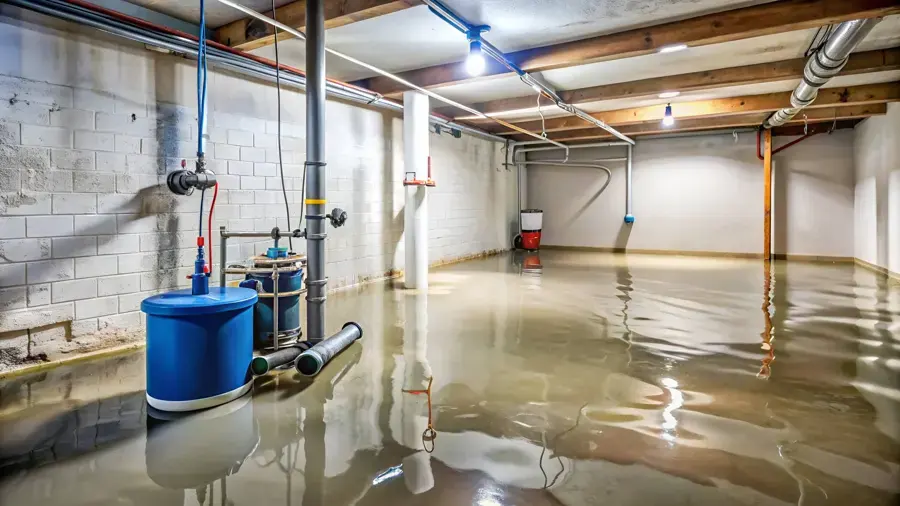
Hard freezes, January and February
Pipes on outside walls and in garages split when the temperature drops below zero.
Spring storms, April to June
Heavy rain and power outages push sump pumps and floor drains past their limit.
Basements, all year
Water heaters, washers and condensate pumps sit right where water does the most harm.
Water Damage Restoration Services in Blue Springs, MO
Fourteen water and sewage services shaped to Blue Springs basements, each dried and documented to the same standard.
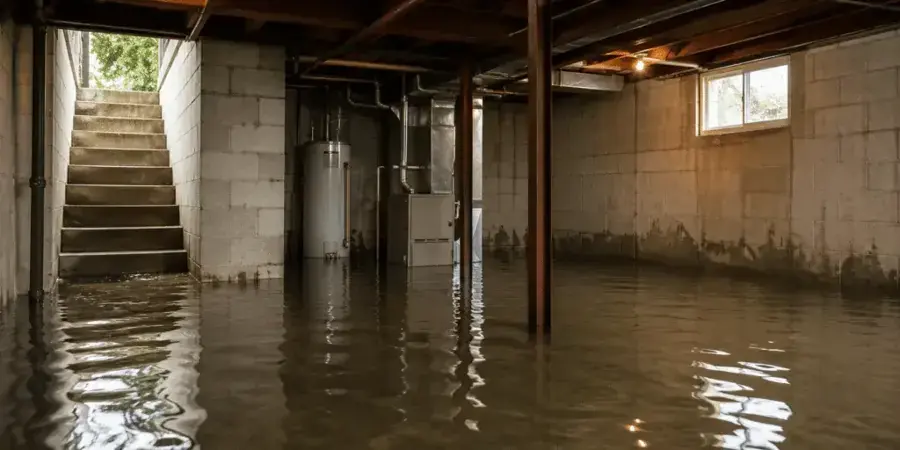 Basement Flooding Cleanup
Water in a finished or walkout basement pulled out, flood cuts made and the slab and walls dried.
See the service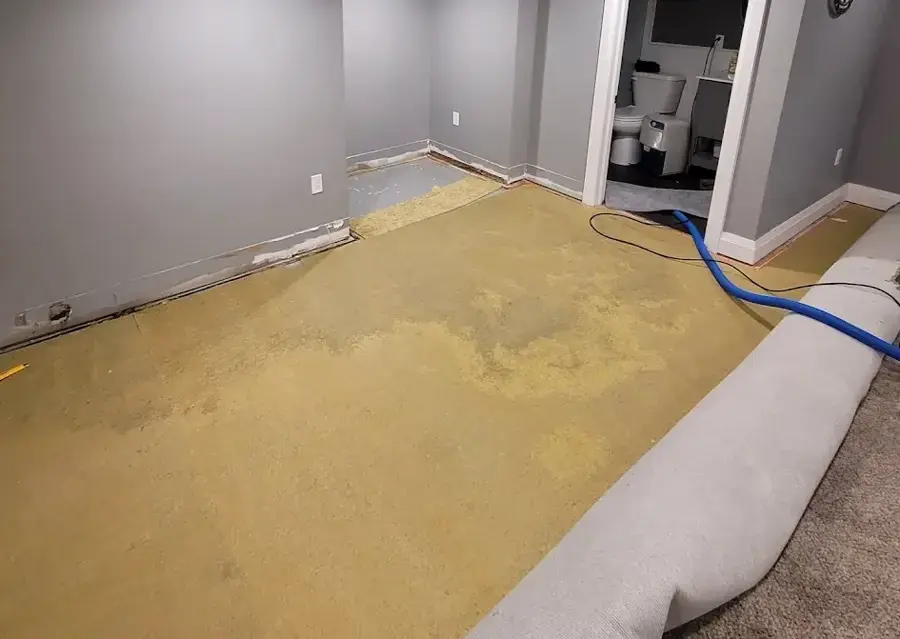 Water Extraction and Removal
Truck-mounted and portable extraction that gets standing water out before it wicks into pad and drywall.
See the service Sump Pump Failure Cleanup
A dead, stuck or overwhelmed pump and the pit overflow it leaves, extracted and dried.
See the service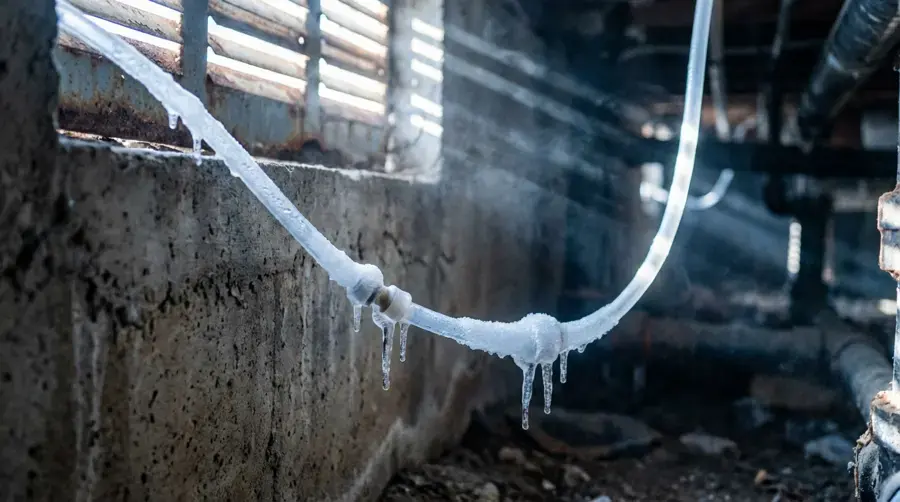 Frozen Pipe Water Damage
Pipes that split in a hard freeze along outside walls, garages and crawl spaces, dried out.
See the service Burst Pipe Water Damage
Failed fittings, aging supply pipe and pressure bursts inside walls and ceilings, extracted and dried.
See the service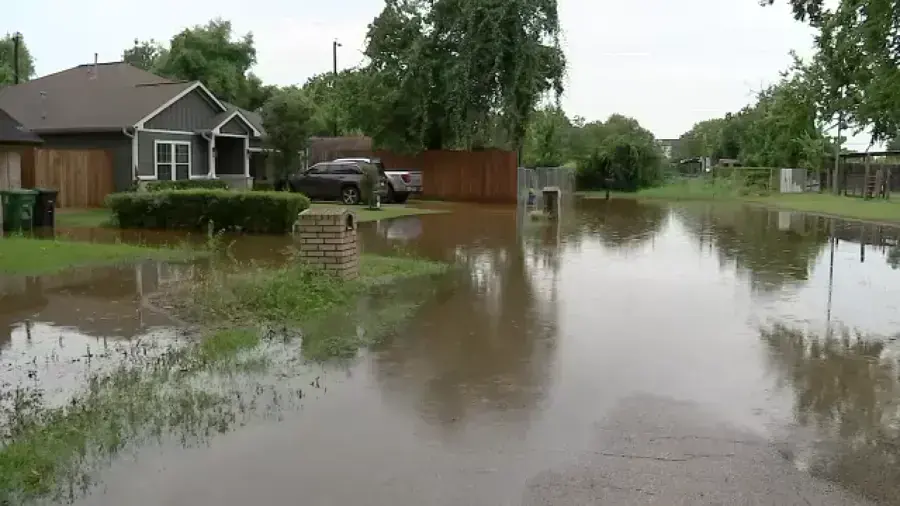 Storm and Flash Flood Cleanup
Spring storm runoff through window wells and walkout doors, treated as contaminated and dried.
See the service Sewage Backup Cleanup
Floor drain and toilet backups handled as Category 3, porous materials removed and surfaces treated.
See the service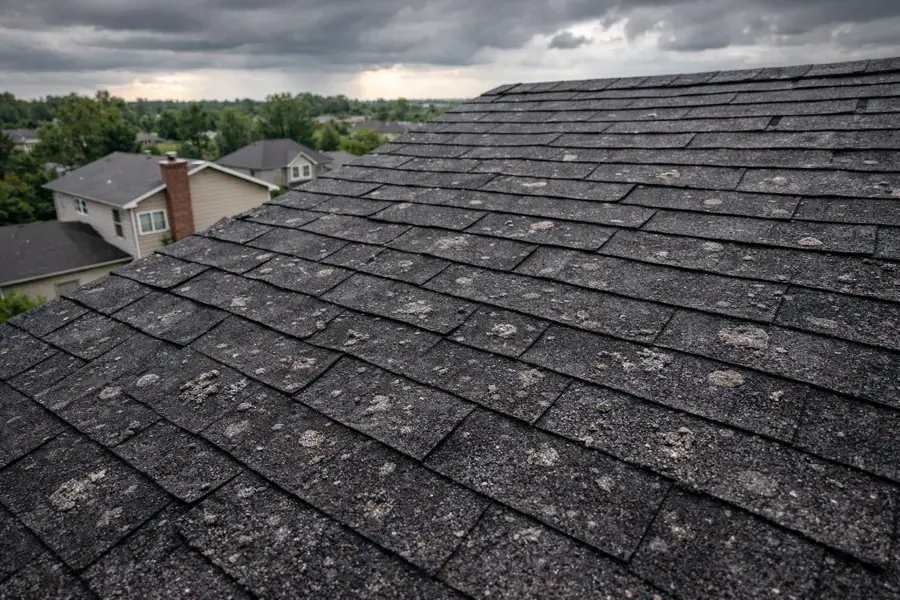 Roof Leak Water Damage
Hail, wind and ice dam leaks traced from the roof deck down, wet insulation pulled and ceilings dried.
See the service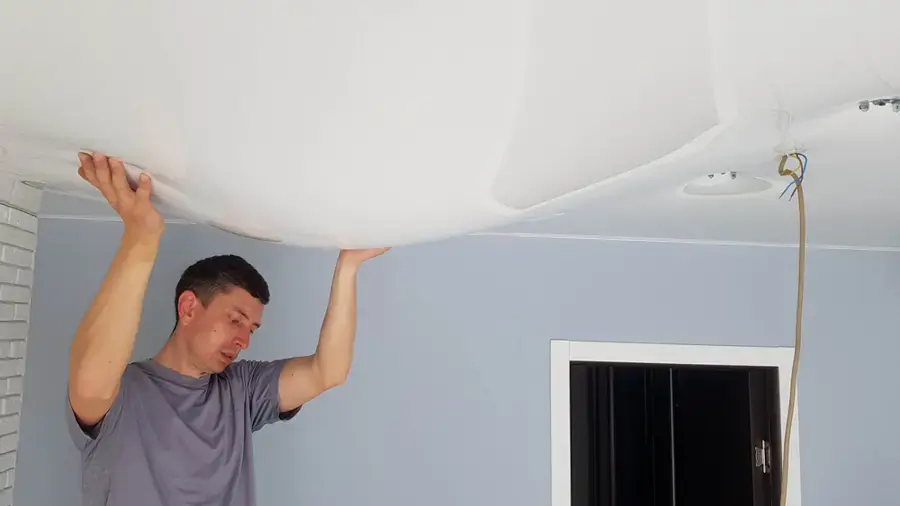 Ceiling Leak Water Damage
Bathroom and supply leaks from the floor above, drywall opened safely and the joist bays dried.
See the service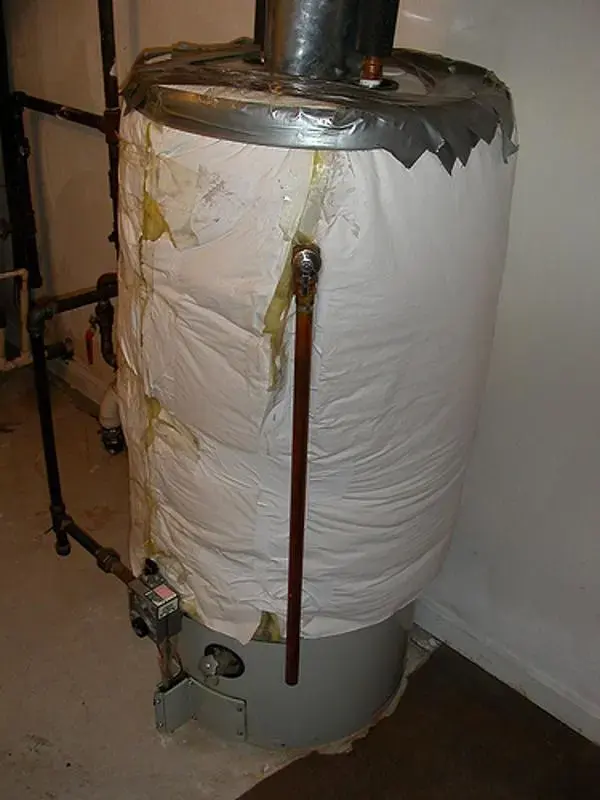 Water Heater Leak Cleanup
Basement tank failures extracted before the water reaches carpet, storage and finished rooms.
See the service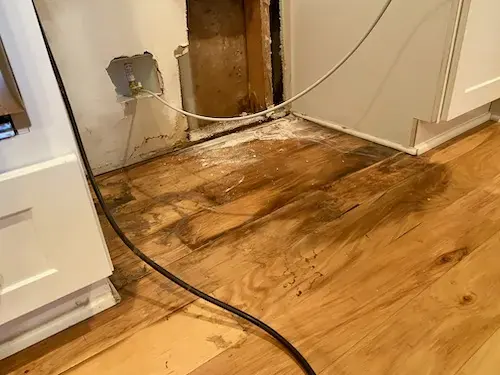 Appliance and Supply Hose Leaks
Washer hoses, dishwashers, ice makers and toilet supplies, cleaned up from floors and cabinets.
See the service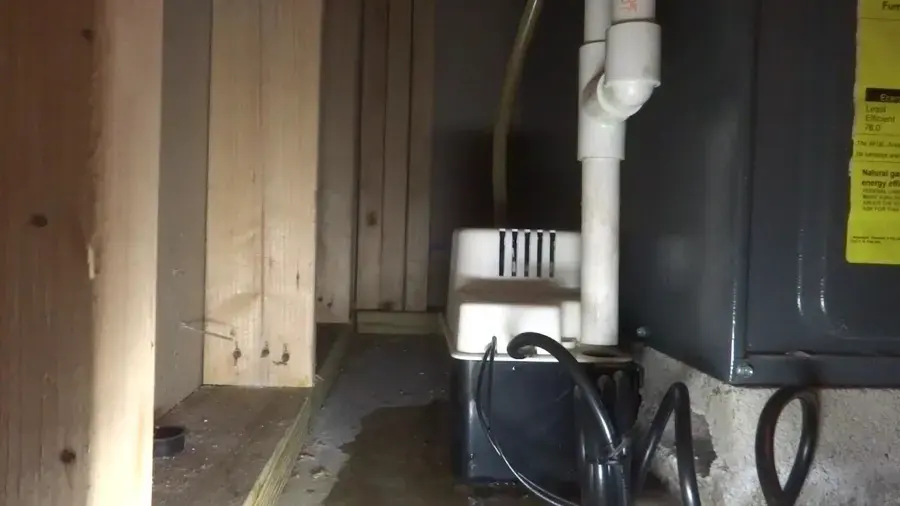 AC and Furnace Condensate Leaks
Clogged drain lines and failed condensate pumps in the utility room, extracted and dried.
See the service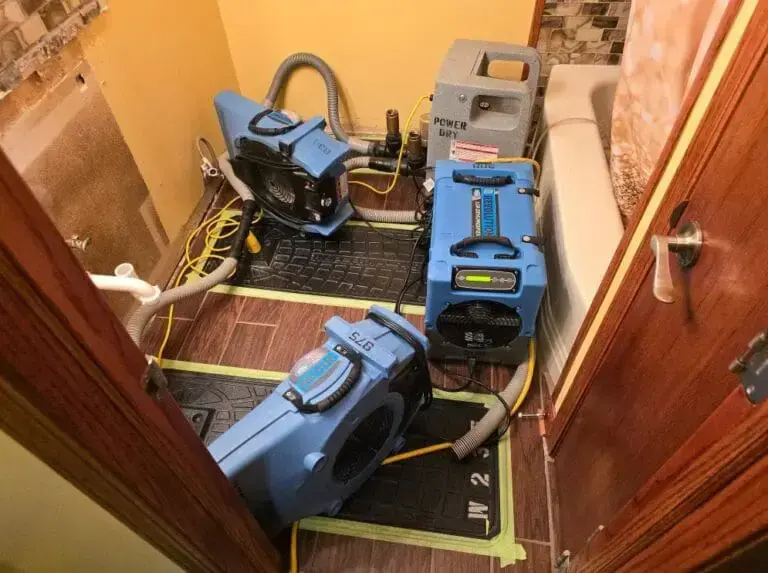 Structural Drying and Dehumidification
Framing, subfloor and concrete dried to within 2 to 4 points of a dry reference, logged daily.
See the service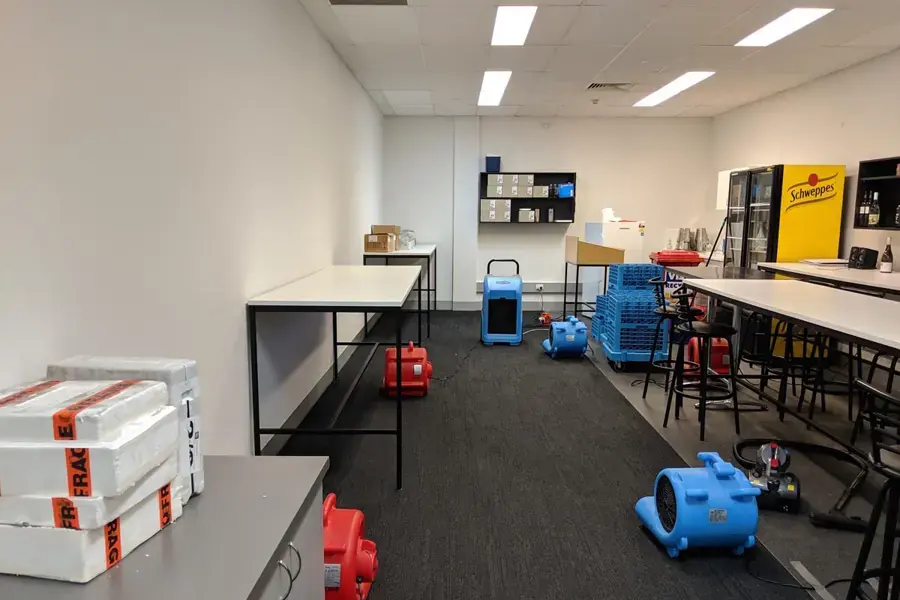 Commercial Water Damage
Shops, offices, churches and apartment buildings dried in phases so doors can stay open.
See the serviceWhat to do while the water is still moving
- 1
Shut off the water
Close the main valve, usually in the basement where the water pipe comes through the foundation wall, or the valve at the fixture.
- 2
Cut power to wet areas
Switch off breakers for the basement or the wet rooms, but only if the panel sits in a dry spot.
- 3
Stay out of deep water
Keep away from outlets, extension cords, the furnace and the water heater while water covers the floor.
- 4
Take photos before moving anything
Wide shots and close-ups of every wet room and the high-water mark on the walls start the claim file.
- 5
Lift what you can, then call
Move boxes and rugs off the floor. Wet drywall and pad need to start drying inside 24 to 48 hours.
Four things every Blue Springs dry-out gets
The restoration contractor who responds measures before cutting, dries to a standard instead of a calendar and writes it all down for the adjuster.
Rapid local response
Dispatch runs 24/7, holidays included, and the response team treats active water in Blue Springs as urgent at any hour.
IICRC S500 drying standard
The drying team runs structural drying, not just surface drying, with equipment sized to the class of loss.
Claim-ready documentation
The mitigation team keeps moisture maps, daily psychrometric logs and timestamped photos taken before any demolition.
Local water know-how
Local water damage experts see basement seepage on clay soil, spring sump failures and January frozen pipes most here.
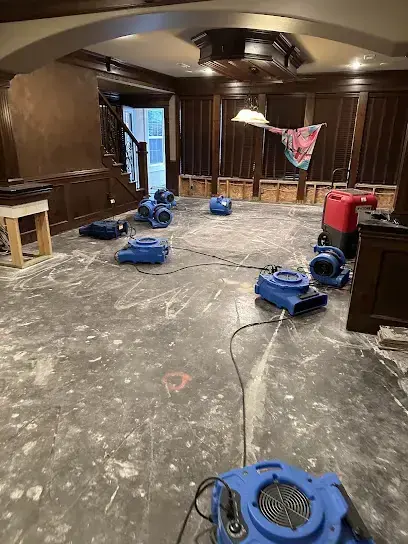
Water damage dried to the IICRC S500 standard
IICRC S500 is the industry drying standard. It treats a water loss as a structure problem: framing, subfloor and a basement slab hold water long after the surface feels dry.
- 1
Map the moisture
The tech who does the walkthrough maps wet materials with pinless meters and a thermal camera, wall cavities and the room below included.
- 2
Pull the water
The extraction crew removes standing water with truck-mounted or portable units, so it leaves the house instead of soaking into pad and drywall.
- 3
Set the drying equipment
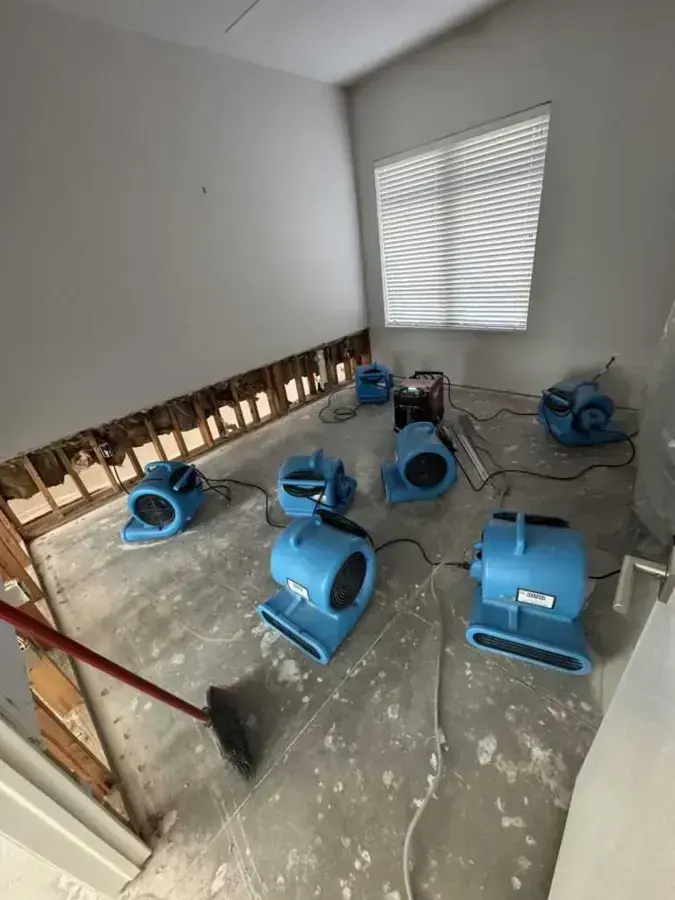
The drying team matches air movers to each room's evaporation load and runs LGR dehumidifiers, with desiccants for a dense Class 4 slab.
- 4
Log readings to the goal
The crew logs readings every day and pulls equipment when wet materials sit within 2 to 4 points of a dry reference.
All water damage categories covered in Blue Springs, MO
The category of the water decides what can be dried in place and what has to come out.
Clean water
A supply pipe, a frozen pipe or a water heater. Caught early, carpet, pad and drywall can often be dried in place.
Frozen pipe water damageGray water
Washer or dishwasher discharge, sump water that sat, or clean water left too long. Soaked pad usually comes out.
Appliance and supply hose leaksBlack water
A floor drain or toilet backup and outside flood water. Containment, removal of porous materials and an EPA-registered antimicrobial come first.
Sewage backup cleanupA contained Class 1 loss usually dries in three to five days. A soaked basement slab, hardwood or plaster takes longer, and the equipment leaves on readings, not on a schedule.
What does water damage restoration cost in Blue Springs, MO?
Most water damage restoration jobs in Blue Springs run $1,300 to $5,500 for a contained clean-water loss and $6,000 to $25,000 or more when sewage, a whole finished basement or two floors are involved. The drivers are the water category, the wet square footage, the material class and how fast drying started.
One room, clean water
- Extraction and in-place drying
- Three to five days of equipment
- Daily moisture readings
A finished basement
- Carpet, pad and flood-cut drywall removed
- LGR dehumidifiers and air movers
- Slab and wall readings logged
Category 3 or two floors
- Containment and HEPA air scrubbers
- Porous material removal
- EPA-registered antimicrobial
Ranges are typical, not a quote. For a closer planning range on your own loss, try the Blue Springs water damage cost calculator. The restoration contractor who responds sets the real scope after the moisture map.
What goes into the claim file
Adjusters decide water claims on the file. The mitigation team builds it while the drying runs, so the record matches what was wet and what was done:
- A moisture map of every wet room, walls and slab included
- Daily psychrometric readings and drying logs
- Timestamped photos taken before any demolition
- The category and class of the loss with a line-item, Xactimate-style scope
Sudden and accidental water, like a burst pipe or a failed water heater, is usually treated differently from outside flood water, and sump overflow or sewer backup often needs its own endorsement. Coverage depends on your policy, so check with your own insurer.
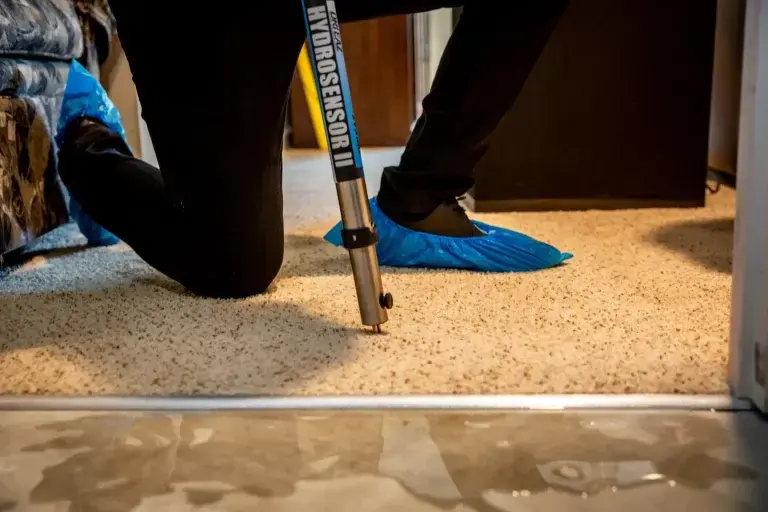
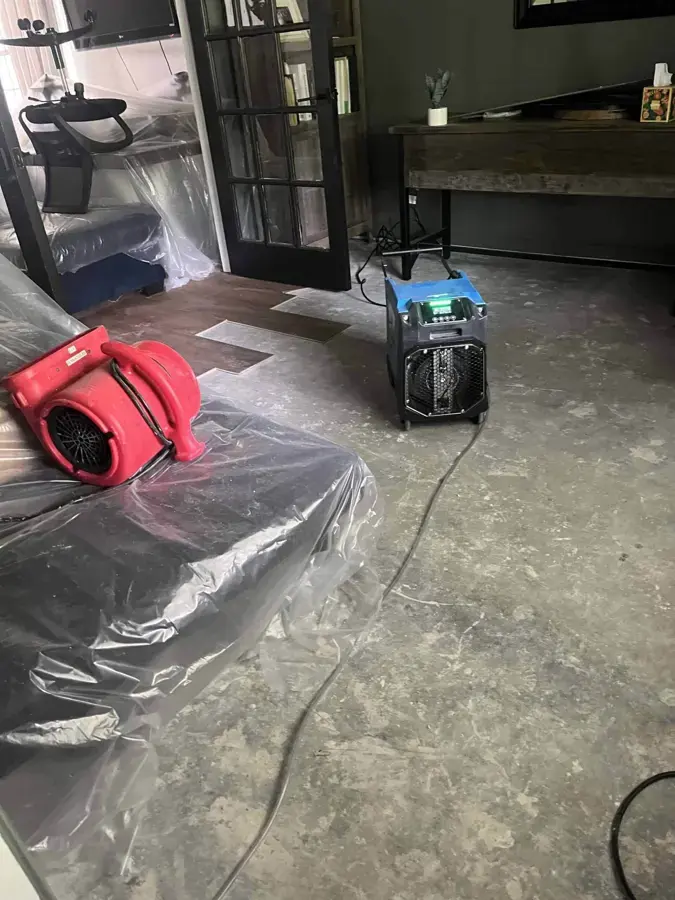
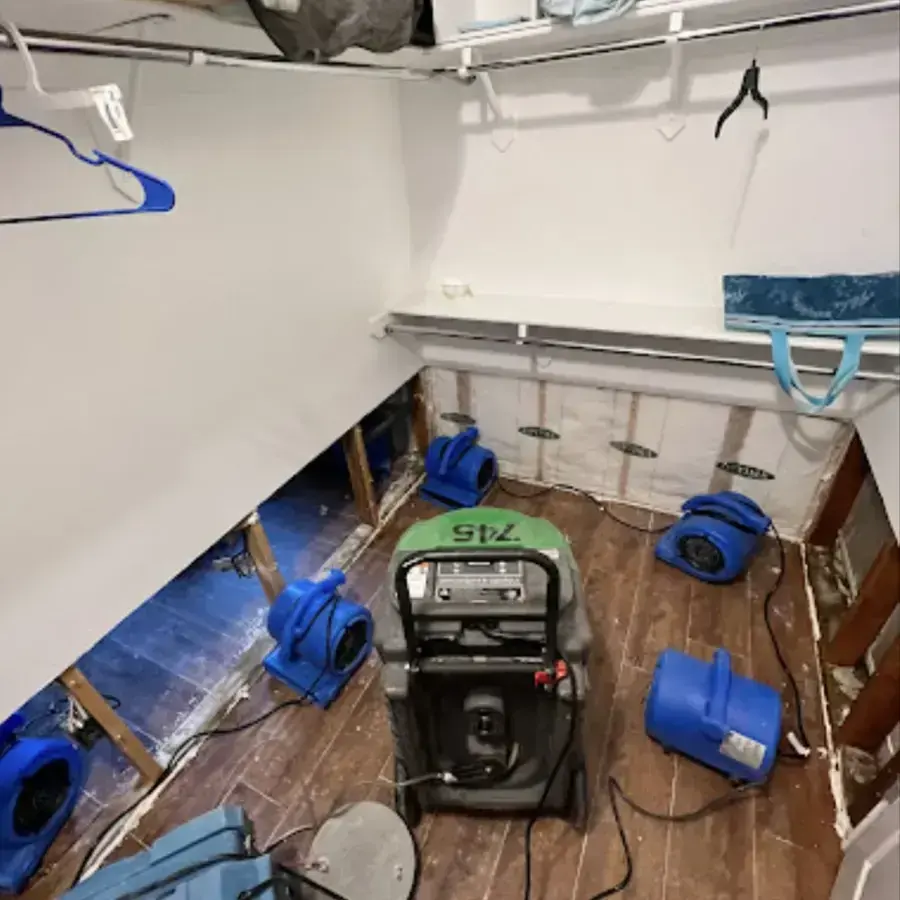
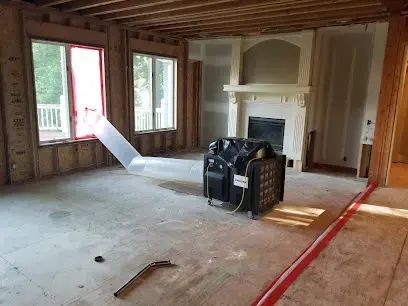
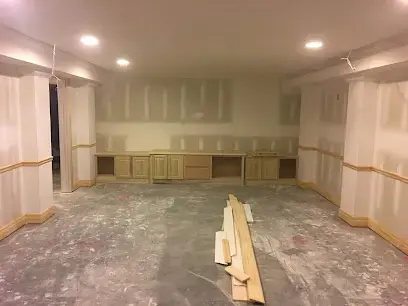
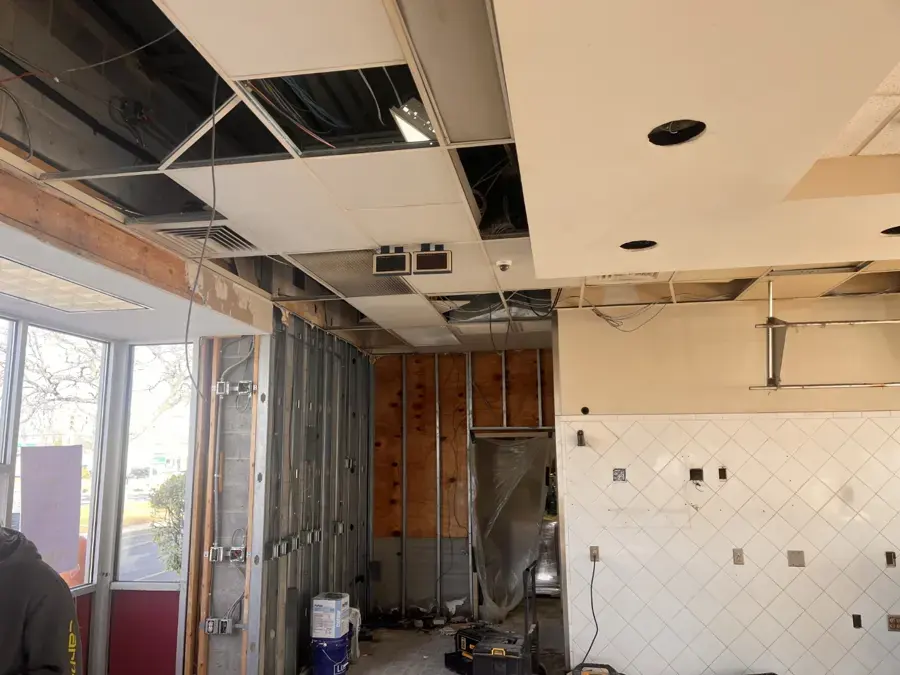
What a water damage dry-out looks like in Blue Springs
Neighborhoods and ZIP codes covered in Blue Springs, MO
The restoration team covers all of Blue Springs, from Downtown and Main Street to Woods Chapel Road and the Adams Dairy Parkway side, plus the towns around it.
Blue Springs ZIP codes covered
Homes and businesses in 64014 and 64015 are covered 24/7, and 64013 covers post office boxes in town. If your street is not listed below, call anyway: the crew works across eastern Jackson County.
Central Blue Springs
Around Fleming Park
East side
Nearby towns
One call reaches Blue Springs water damage pros, 24/7
Water damage pros in Blue Springs work around the clock, weekends and holidays included. The extraction crew brings pumps, air movers and dehumidifiers sized to the loss, whether it is one wet room or a whole basement.
(888) 603-7319Get extraction rolling in Blue SpringsWhy Blue Springs homes take on water
Blue Springs went from under 7,000 residents in 1970 to more than 40,000 by 1990. Most of its homes come from those years, and nearly all of them sit over a basement.
Basements on clay
- Expansive clay soil holds spring rain against foundation walls, and seepage shows up at cracks and the cove joint.
- Walkout basements on the hills near Lake Jacomo and Blue Springs Lake take surface water at the door.
Spring storms
- May and June are usually the wettest months, and thunderstorms bring hail that opens roofs and power outages that stop sump pumps.
- Blue Springs Lake and Longview Lake were built by the Corps of Engineers to hold back Little Blue River flooding.
Hard freezes
- Cold snaps like February 2021, when the Kansas City area sat below zero on several nights, split pipes on outside walls and in garages.
- Homes plumbed from the late 1970s to the mid 1990s may still carry polybutylene supply pipe, which tends to fail at the fittings.
Areas served: Blue Springs (64014, 64015, 64013) from Downtown and Main Street, Missouri 7 and US 40 to Woods Chapel Road, Adams Dairy Parkway and R.D. Mize Road, plus Grain Valley, Independence, Oak Grove, Lee's Summit and Raytown. Check your own basement with the basement flood risk check.
Water damage questions from Blue Springs homeowners
How fast does someone respond to water damage in Blue Springs?
Dispatch runs 24/7, holidays included, and active water is treated as urgent. Materials that start drying inside 24 to 48 hours usually stay out of the mold growth window.
Does homeowners insurance cover a flooded basement in Missouri?
It depends on the cause. A burst pipe or a failed water heater is often covered as sudden and accidental, while sump overflow and sewer backup usually need an endorsement and outside flood water needs flood coverage. Check with your own insurer.
Why do so many Blue Springs basements take water?
Most homes sit over full or walkout basements, clay soil holds rain against the walls, and spring storms that knock out power stop sump pumps when the pit is filling fastest.
How long does it take to dry out a basement?
A contained loss usually dries in three to five days. A soaked slab or block wall can take longer, and the drying team pulls equipment only when the readings say dry.
What is the IICRC S500 standard?
It is the industry drying standard for water damage. It covers how water is categorized, how drying equipment is sized and when a structure counts as dry.
What should I do before help arrives?
Shut off the water, cut power to wet areas if the panel is dry, stay out of deep water, take photos and move what you can off the floor.
What is the difference between mitigation and repair?
Mitigation stops the damage: extraction, removing what cannot be saved, drying and documentation. Repair, or reconstruction, puts the rooms back together once the structure reads dry.
When does drywall have to come out?
Drywall touched by Category 3 water comes out. With clean water, wet drywall can often be dried in place if drying starts fast; the crew makes flood cuts when water wicked high or the insulation behind it is soaked.
Why is a sewer backup handled differently?
A floor drain or toilet backup is Category 3 water from the moment it happens. The mitigation team sets containment, removes porous materials the water touched and applies an EPA-registered antimicrobial before drying.
How is the cost of water damage restoration figured?
The scope follows the water category, the wet square footage, the material class and how fast drying started. The cost calculator gives a planning range.
Water in your Blue Springs home? Start the dry-out now.
Extraction, structural drying and a claim-ready file, 24/7, from Downtown and Main Street to the Adams Dairy Parkway side.
(888) 603-7319Blue Springs dispatch, any hour