Storm and Flash Flood Cleanup in Blue Springs, MO
When storm runoff comes in through a window well or a walkout door, the mitigation team handles it as contaminated water: extracted, cleaned, treated and dried, 24/7.
(888) 603-7319Storm water inside? Call now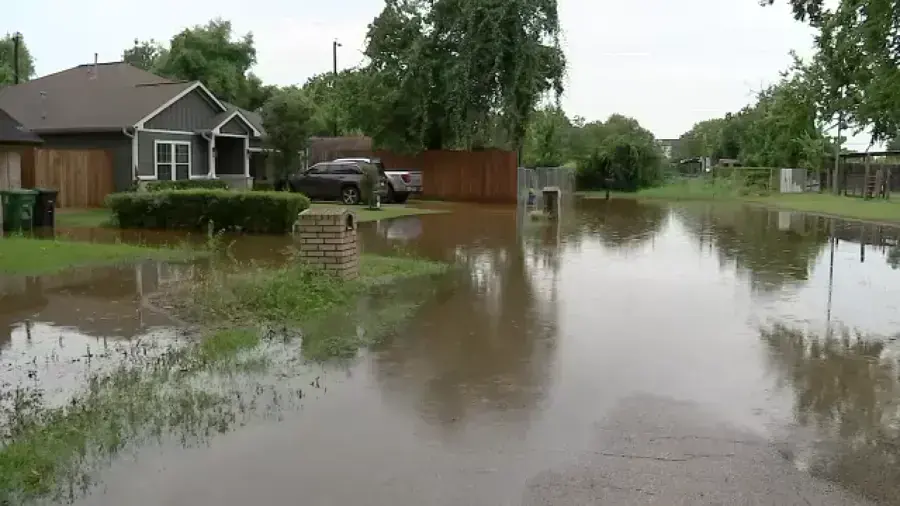
First steps for storm and flash flood cleanup in Blue Springs
- 1
Stay out of flood water
Outside water can carry sewage, chemicals and electrical hazards.
- 2
Cut power if it is safe
Switch off the basement breakers only from a dry spot.
- 3
Photograph the water depth
Take photos of the water level on walls and how it got in.
- 4
Keep children and pets away
Keep everyone out of the flooded area until it is cleaned.
What does storm and flash flood cleanup cost in Blue Springs, MO?
Storm and flash flood cleanup in Blue Springs typically runs $4,000 to $20,000. A few inches in a bare basement costs less; a finished lower level with carpet and drywall costs more.
Bare basement, shallow water
- Extraction and cleaning
- Antimicrobial treatment
- Slab drying
Finished lower level
- Carpet, pad and drywall removed
- Containment
- Structural drying
Deep water, two levels
- Large-scale removal
- HEPA air scrubbers
- Full claim documentation
Ranges are typical, not a quote: the water category, the wet square footage, the material class and how fast drying started move the number most. Run the Blue Springs water damage cost calculator for a closer planning range.
How storm and flash flood cleanup is handled in Blue Springs
- 1
Assess safety first
The response team checks power, gas and structural safety before anyone works in the water.
- 2
Extract and remove
The extraction crew pumps out the water and the mitigation team removes contaminated materials.
- 3
Clean and treat
Surfaces get cleaned and an EPA-registered antimicrobial is applied at its dwell time.
- 4
Dry to the goal
The drying team runs dehumidifiers and air movers until the structure reads dry.
Water that comes in from outside has crossed yards, streets and storm drains, so the restoration team handles it as Category 3. That changes what can be saved and how the cleanup is done.
How storm water gets into Blue Springs homes
Window wells fill and pour into the basement when gutters overflow and the yard slopes toward the house. Walkout basements on hillsides take water at the door, and flash flooding near creeks can push water into lower levels.
May and June are usually the wettest months around Kansas City, and a single thunderstorm can drop more rain than the ground can take.
- Overflowing window wells
- Walkout doors at the bottom of a slope
- Downspouts emptying against the foundation
- Low streets near creeks during flash floods
Why outside water is handled differently
Porous materials touched by flood water, like carpet, pad, drywall and insulation, come out rather than being dried. The mitigation team sets containment, wears protective gear and applies an EPA-registered antimicrobial before drying starts.
Water that rises from a floor drain during the same storm is a sewer backup; the sewage backup cleanup page covers it.
Flood insurance and planning
Most homeowners policies exclude outside flood water, which is covered through flood insurance. The FEMA flood maps show mapped flood zones, and Ready.gov covers storm preparation.
Photos of the water depth and the source help the claim, whatever the coverage turns out to be.
Storm and flash flood cleanup across Blue Springs and eastern Jackson County
The restoration team covers ZIP 64014 and 64015 across Blue Springs, plus 64013 for post office boxes, from Downtown and Main Street and the Missouri 7 corridor to Woods Chapel Road near Lake Jacomo and the newer streets off Adams Dairy Parkway and R.D. Mize Road.
Nearby coverage reaches Grain Valley, Independence, Oak Grove, Lee's Summit, Raytown, Lake Tapawingo, Lake Lotawana, Greenwood.
Related water damage services in Blue Springs
Storm and Flash Flood Cleanup questions in Blue Springs, MO
Is storm water really contaminated?
Yes. Water that crossed yards and streets carries soil, fertilizer, oil and sometimes sewage, so it is handled as Category 3.
Can carpet be saved after a flood?
Carpet and pad touched by outside flood water are removed. Some hard surfaces can be cleaned, treated and dried.
Does homeowners insurance cover storm flooding?
Outside flood water is usually excluded and covered by flood insurance instead. Check with your own insurer about your policy.
How fast should cleanup start after a flood?
As soon as the water stops coming in. Wet materials should be removed or drying inside 24 to 48 hours.
What about the window well?
After cleanup, a clear window well cover and a working drain at the bottom of the well lower the risk of a repeat.
How is flood cleanup priced?
Price follows the water depth, how much of the lower level is finished and how much material has to come out.
Storm water in your Blue Springs basement? Call now.
Outside flood water carries contamination into everything it touches. The Blue Springs restoration crew removes it, treats the structure and dries it to the S500 goal.
(888) 603-7319Book storm water cleanup