Water Damage Restoration Raytown, MO
When a basement floods, a pipe splits or a drain pushes sewage back up, the Raytown water damage pros extract the water, open the wet materials and dry the structure with logged readings, in homes and businesses across the city.
(888) 603-7319Reach a Raytown water damage crew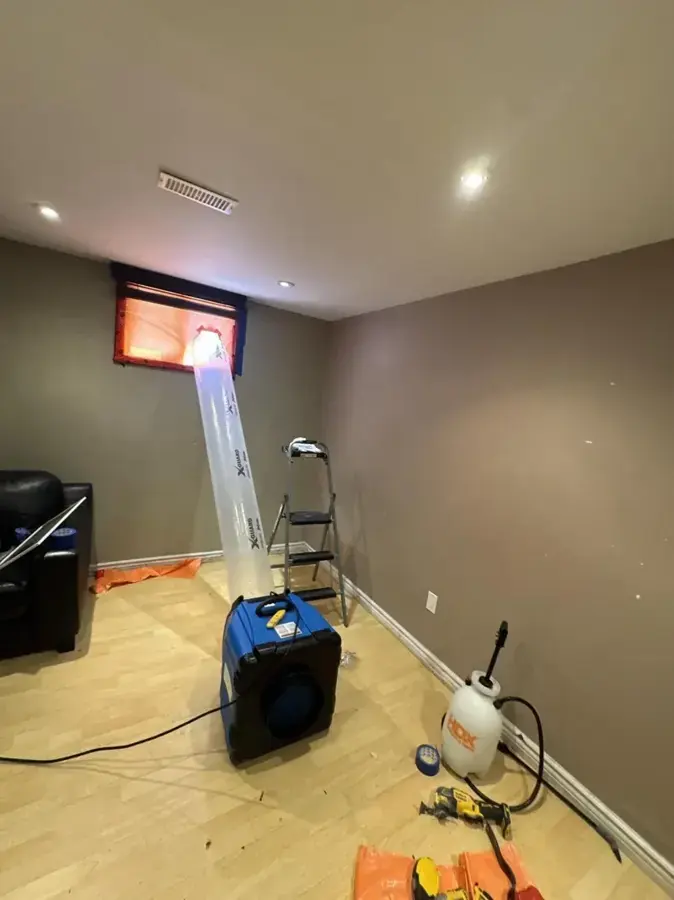
Sewer water backups
A clogged city sewer main once sent sewer water up floor drains into four connected Raytown townhomes.
Older homes
Almost 80 percent of the city's homes date from the 1940s through the 1960s, so many ceilings and walls are older.
Heavy storm rain
Raytown logged 12.6 inches in one 1982 storm, and severe thunderstorms remain a regional hazard.
Pick the problem and see how it is handled
Each card opens a Raytown page with the steps, costs and questions for that kind of water loss.
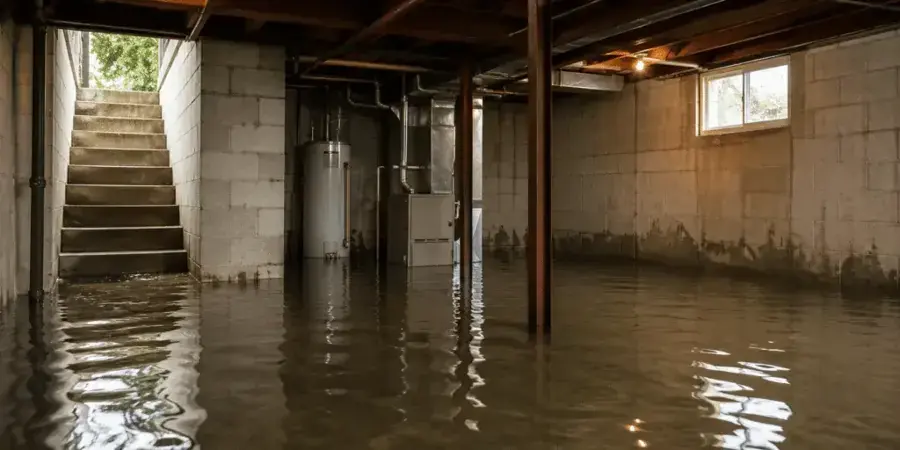 Basement Flooding Cleanup
Extraction, flood cuts and structural drying for finished and unfinished basements after storm water, leaks or backups.
See the service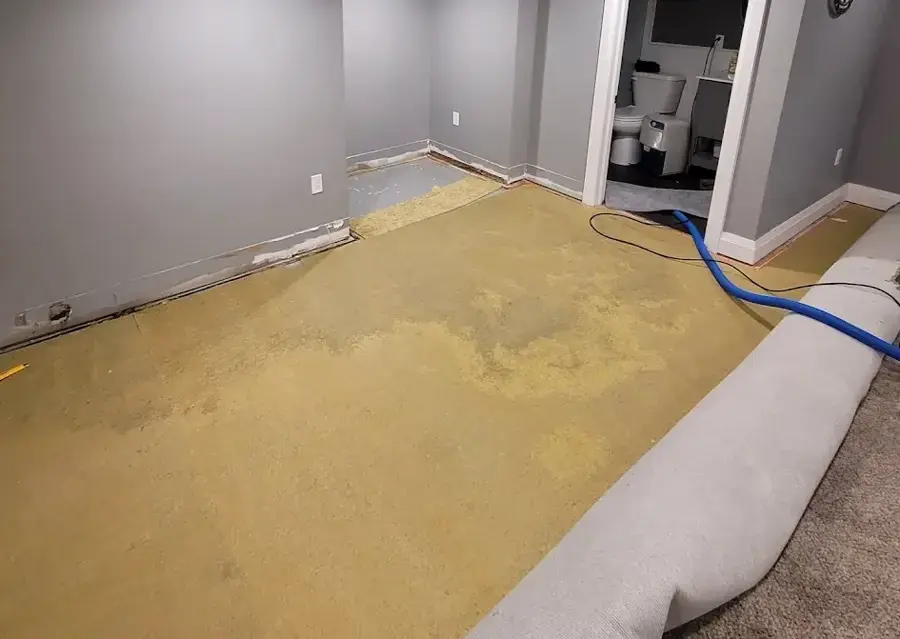 Water Extraction and Removal
Truck-mounted and portable pumps lift standing water off floors and slabs before it soaks into the framing.
See the service Sump Pump Failure Cleanup
When the pit overflows or the pump quits, the crew removes the water and dries the floor and walls.
See the service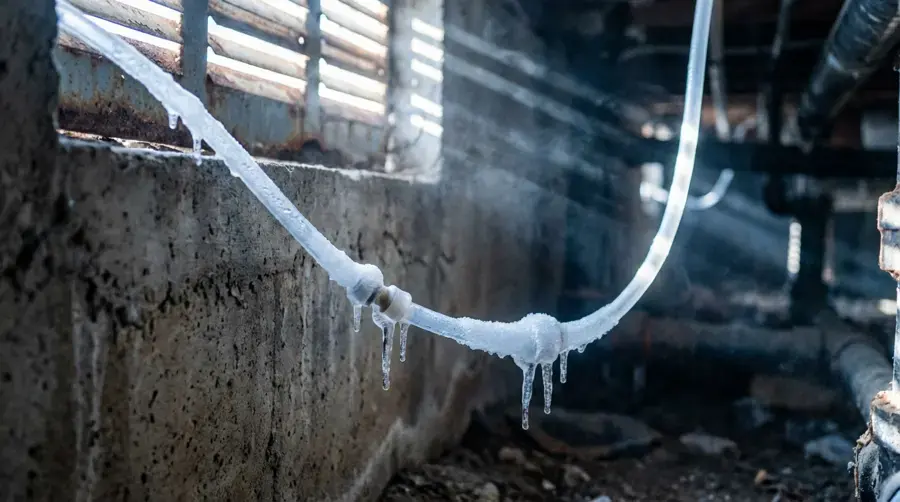 Frozen Pipe Water Damage
Thawed pipes that split leave water inside walls and ceilings, which gets extracted and dried out.
See the service Burst Pipe Water Damage
A pipe that bursts can soak several rooms fast, so the water is stopped, removed and the structure dried.
See the service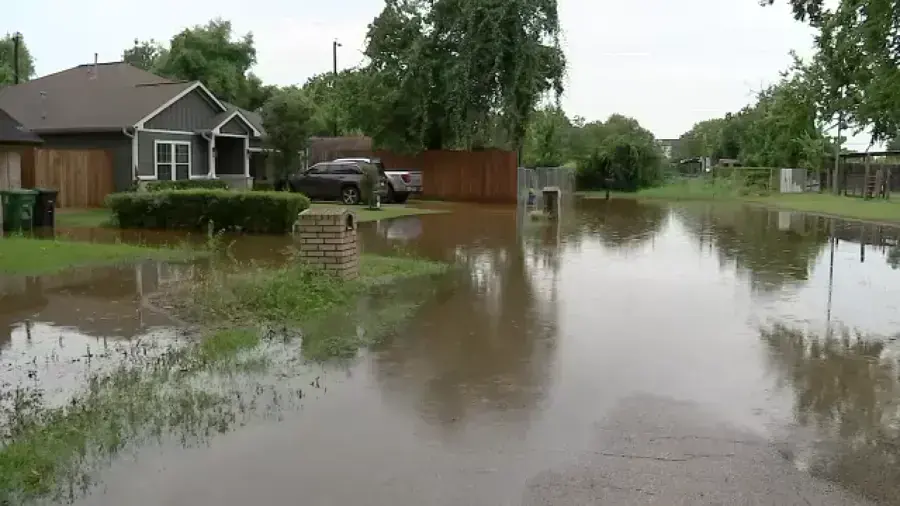 Storm and Flash Flood Cleanup
Heavy rain and flash flooding that reaches the lower level gets pumped out, cleaned and dried.
See the service Sewage Backup Cleanup
Sewer backups through floor drains get containment, protective gear, removal of soaked materials and antimicrobial cleaning.
See the service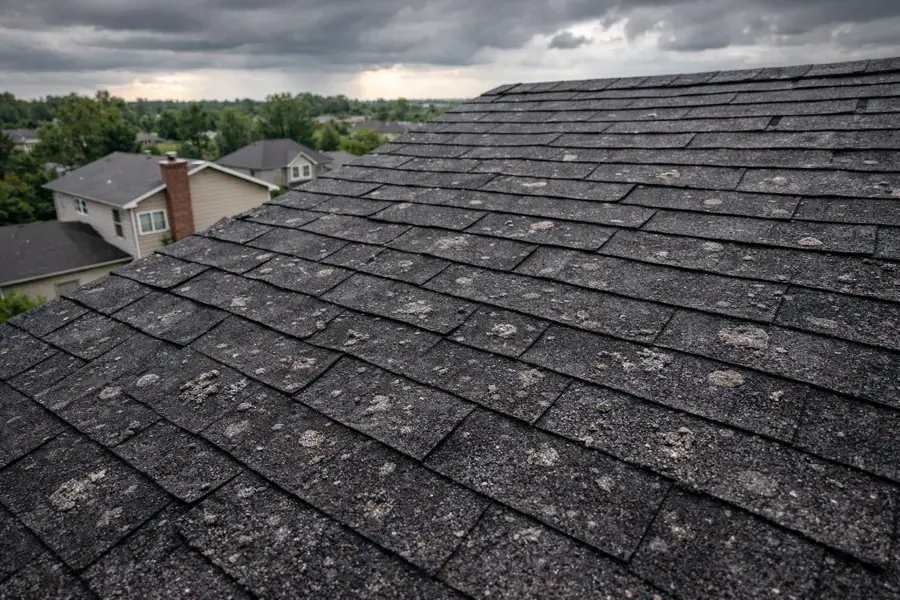 Roof Leak Water Damage
Storm wind and hail can open a roof, and wet attic insulation and ceilings are then removed and dried.
See the service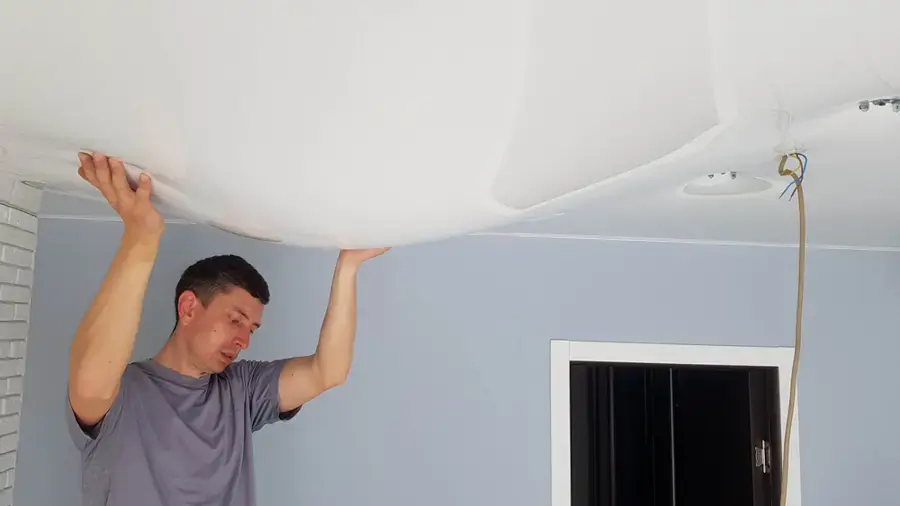 Ceiling Leak Water Damage
A stained or sagging ceiling points to a leak above, so the source is traced and wet drywall dried.
See the service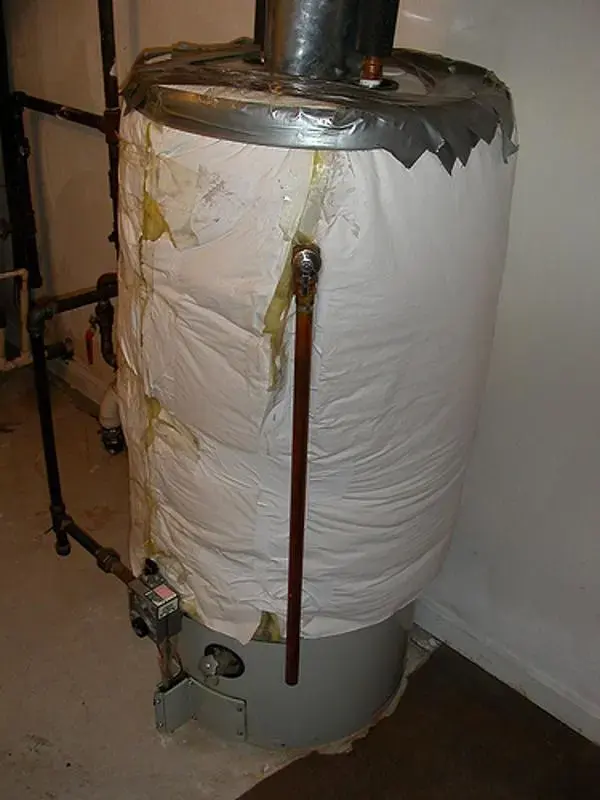 Water Heater Leak Cleanup
A leaking or failed tank floods the utility room and spreads into nearby walls and flooring.
See the service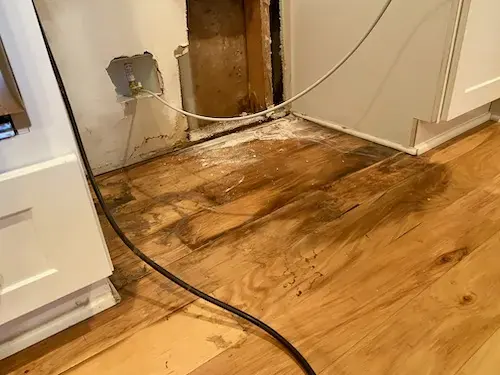 Appliance and Supply Hose Leaks
Dishwasher, washer and refrigerator supply hose leaks are extracted before cabinets and floors swell.
See the service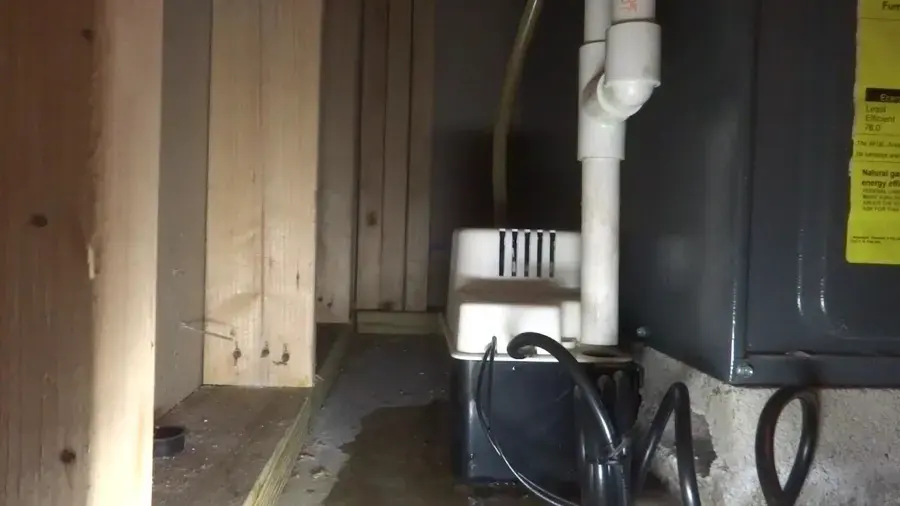 AC and Furnace Condensate Leaks
A clogged condensate drain can drip into ceilings and walls long before a stain shows.
See the service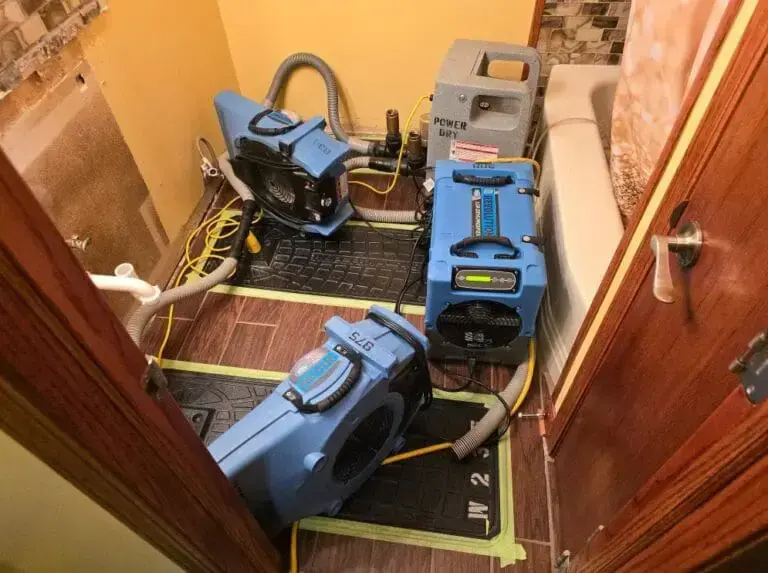 Structural Drying and Dehumidification
Air movers, dehumidifiers and daily moisture readings dry wet framing, drywall and subfloors to a target.
See the service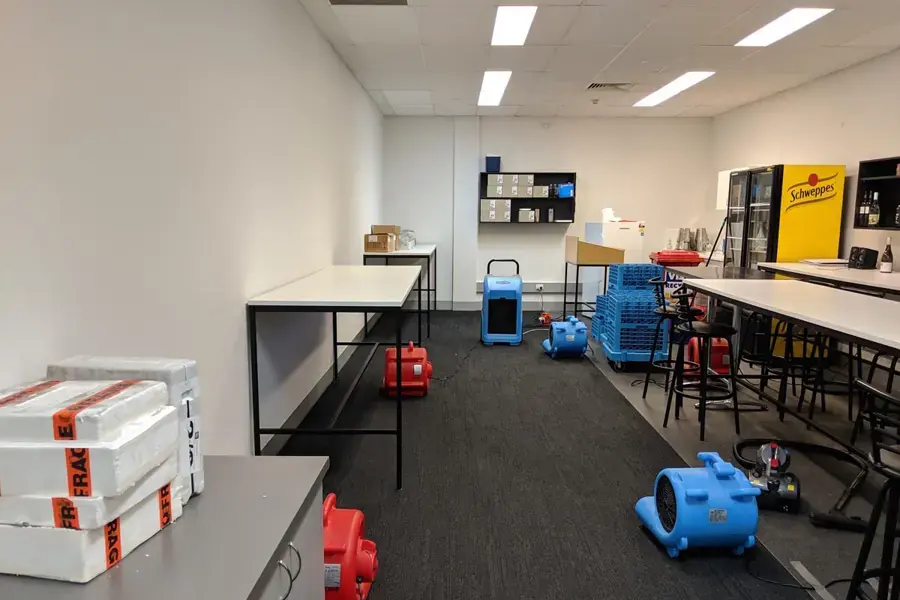 Commercial Water Damage
Shops, schools, churches and offices get phased drying that keeps the doors open.
See the serviceSafe steps to take while the water is still moving
- 1
Stop the source
Shut off the main water valve, or the supply to the leaking fixture, as soon as it is safe to reach it.
- 2
Cut power to wet areas
Switch off breakers for any room with standing water, and stay out of flooded basements while outlets or panels could be live.
- 3
Do not touch sewage
Sewer water carries bacteria, so keep kids and pets away and skip any cleanup beyond closing doors to the area.
- 4
Photograph everything first
Take wide and close photos of the water, damaged items and the source before anything is moved or thrown out.
- 5
Lift contents out of the wet
Move small furniture, rugs and boxes onto dry surfaces, and leave heavy items and wet drywall to the crew.
Drying done to measured targets, not guesses
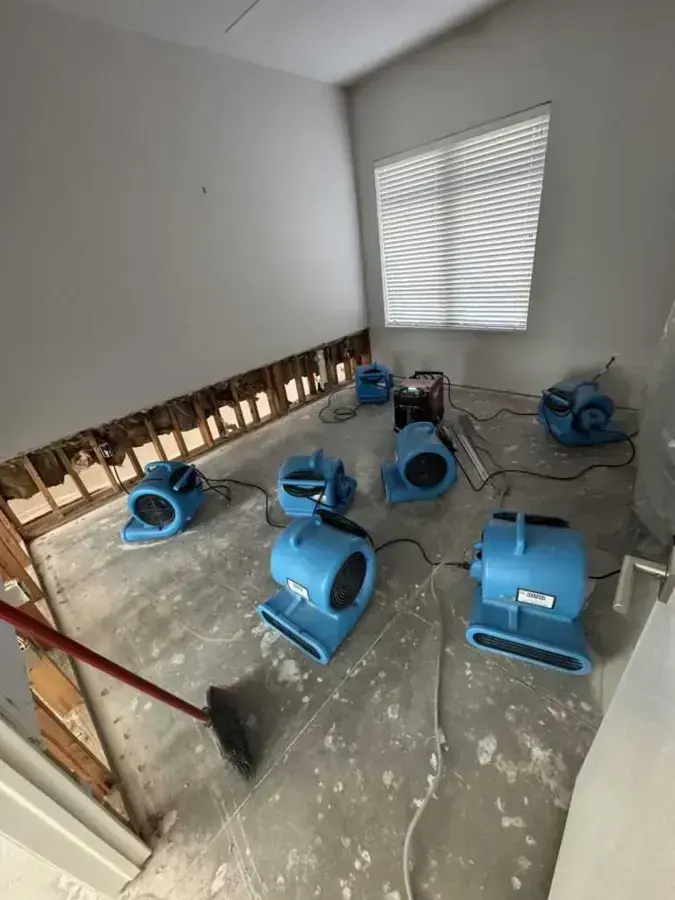
The Raytown water damage pros bring pumps, air movers and dehumidifiers, then track the readings each day until framing, drywall and floors reach their targets.
Response around the clock
Water does not wait for business hours, so the response team takes emergency requests at night, on weekends and on holidays.
Truck-mounted extraction power
Heavy pumps and truck-mounted units pull deep water and soaked carpet moisture out far faster than shop vacuums can.
Claim-ready documentation
Moisture maps, daily readings and dated photos give an adjuster the paper trail that a claim file needs.
Local water know-how
Older homes, finished basements and sewer backups each dry differently, and the crew plans around the Raytown housing it meets.

Four stages from first look to dry structure
Every job in Raytown follows the same four stages, so owners and adjusters can see what was done, in what order, and what the readings said afterward.
- 1
Inspect and map
Moisture meters and a thermal camera trace where the water traveled, and the crew records which materials are wet and which are still dry.
- 2
Remove the water
Pumps and truck-mounted units take out standing water, then extraction wands pull moisture from carpet, pad and floors before drying begins.
- 3
Strip what cannot dry
Soaked pad, saturated insulation and drywall that will not recover are cut out so the framing behind them can breathe.
- 4
Dry and verify
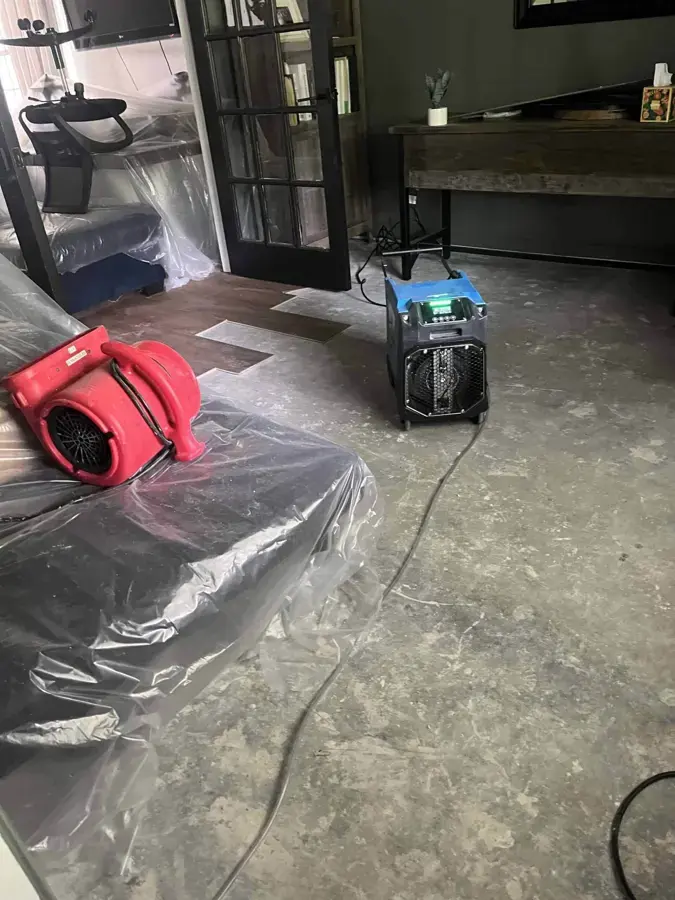
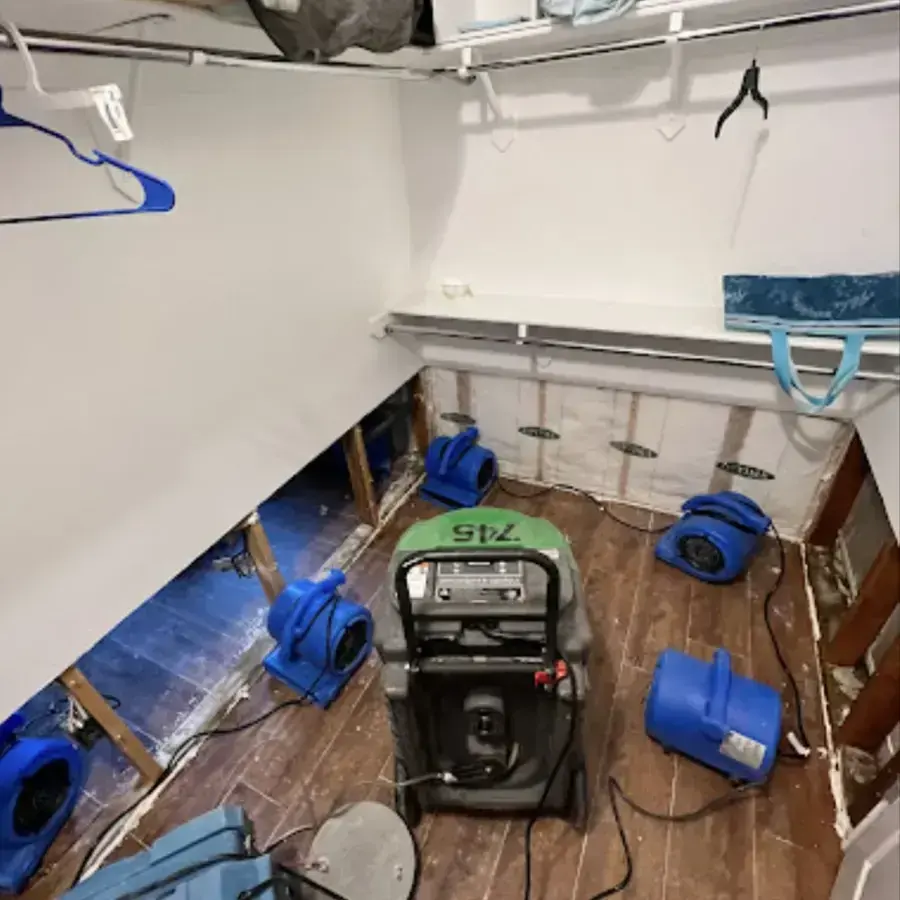
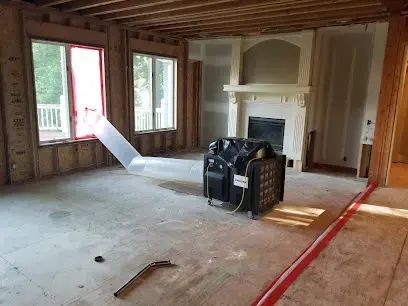
Air movers and dehumidifiers run while daily readings track the structure until the wood and drywall return to their normal moisture.
Clean, gray and black water need different handling
The category of water decides what gets removed, what gets cleaned and which protective gear the crew wears.
Clean water
Supply pipe splits and tank leaks start clean, though carpet, pad and insulation can hold that water and turn it worse over a few days.
Frozen pipe water damageGray water
Washing machines, dishwashers and condensate drains release water with soap, food residue and some bacteria, so porous materials are usually removed.
Appliance leak water damageBlack water
Sewer backups, rising flood water and long-standing wet carpet carry bacteria and call for containment, protective gear and removal of soaked porous materials.
Sewage backup cleanupCategory is judged on site with meters and a visual check, and it can change if water sits, so early photos help the claim file and the insurer.
What Raytown water damage restoration usually costs, by size of loss
Most jobs land in one of three bands, set by how much water there is, how long it sat and whether it is clean water or sewage. Measured readings decide the final figure, and the scope is written down room by room before work begins, so owners see the plan before work starts.
One room, clean water
- Extraction and floor drying
- Air movers and dehumidifier
- Readings logged daily
Basement or several rooms
- Wet pad and drywall removed
- Wall cavity drying
- Moisture map for claims
Sewage or deep flood water
- Containment and protective gear
- Soaked materials removed
- Antimicrobial treatment
Final figures come from measured square footage, the water category and what must be removed. A written scope lets the owner and the insurer compare the same items room by room.
Records an adjuster can follow
Sudden pipe, appliance and storm losses are often covered, and the paperwork that follows is easier when moisture readings and photos are collected from day one.
- Photos and video of each wet room and damaged item
- Daily moisture readings and equipment placement logs
- A written scope of removal and drying
- Receipts for disposal and equipment use kept together
Owners should check the policy for sewer and drain backup coverage, since the City of Raytown said it does not cover sewer backups. A call to the insurer early in the job starts the claim while the crew documents the damage.
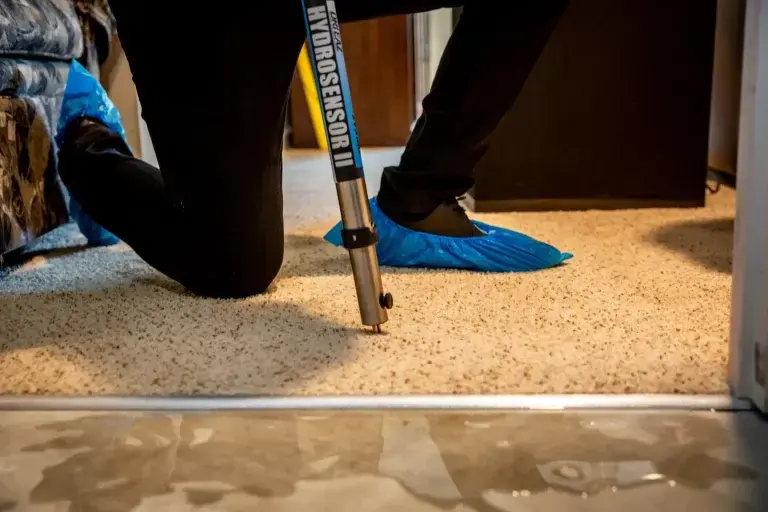
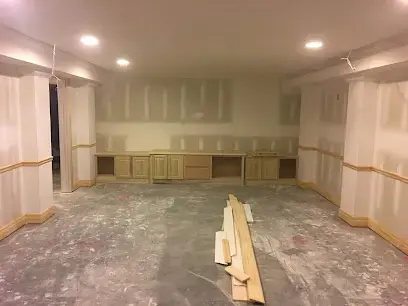
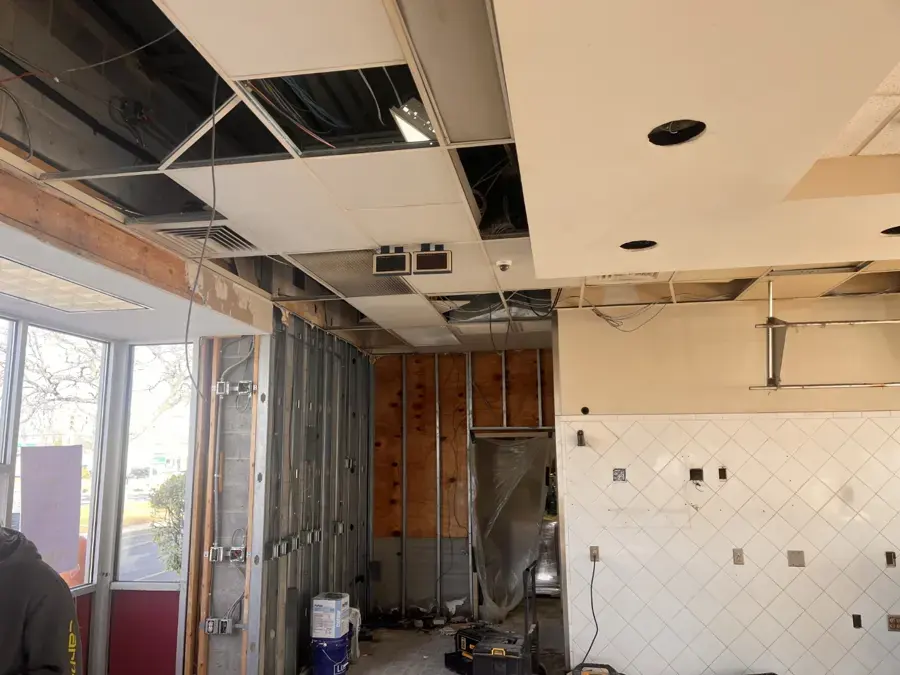
What a drying job looks like in a Raytown home
Water damage service across Raytown and its ZIP codes
Crews work in Raytown homes, townhomes and commercial buildings across Jackson County, from quiet subdivisions to the busy corridors that carry traffic through town.
ZIP codes served in Raytown
Jobs across Raytown in 64133, 64129 and 64138 are the core of the service area, and addresses just outside those ZIP codes can be checked in one short conversation.
Neighborhood
Corridors
Landmarks and trails
Nearby towns
Water damage does not wait for business hours
A pipe can split overnight and a storm can arrive on a holiday weekend, so the Raytown water damage pros take emergency requests at every hour and start with a short set of questions about the source.
(888) 603-7319Talk to a Raytown response teamWhat puts Raytown properties at risk
Three patterns shape water damage in Raytown: sewer main backups, a housing stock built mostly in the 1940s through the 1960s, and storms that drop heavy rain in a short span.
Sewer main backups
- Four connected Raytown townhomes with finished basements took in sewer water through floor drains after a city sewer main clogged.
- The water sat about two days before crews cleared the main, and drywall and carpet had to be removed afterward.
Older housing
- Almost 80 percent of the city's 13,307 housing units were built in the 1940s, 1950s and 1960s.
- Homes of that age bring older ceilings, walls and finishes into every leak, so each repair starts with measuring what is wet.
Heavy storm rain
- A near stationary front dropped 12.6 inches of rain on Raytown on August 12 to 13, 1982, and flash flooding followed.
- The 2025 Mid-America Regional Council hazard plan still lists severe thunderstorms, storm winds and hail as priority hazards for the Kansas City region.
Work covers Woodson Estates, addresses along Blue Ridge Boulevard and Raytown Road, and businesses along Highway 350 and 63rd Street, in ZIP codes 64133, 64129 and 64138, plus schools in the Raytown C-2 School District and churches across town, with the Rice-Tremonti Home and Rock Island Trail among the landmarks.
Questions Raytown owners ask about water damage
How soon should water be removed after a leak in Raytown?
Removal should begin as soon as the source is stopped, because wet drywall, carpet and framing start to deteriorate and can grow mold within 24 to 48 hours.
Does the City of Raytown cover sewer backup cleanup?
In the 2023 townhome backup, the city said its insurer found it not liable and that homeowners need their own sewer backup coverage, so the policy matters. See sewage backup cleanup for how that work runs.
Which water company serves my Raytown address?
Two companies serve the area: the Raytown Water Company and Public Water Supply District No. 2 of Jackson County, which serves southern Raytown. A water bill shows which one applies.
What happens to a finished basement after water gets in?
Carpet, pad and the lower drywall usually come out, the slab and wall cavities are dried, and readings confirm the result. See basement flooding cleanup.
Can wet carpet be saved?
Clean water on carpet can sometimes be extracted and dried in place, but sewage or water that sat for days makes carpet and pad a removal item.
Do storm roof leaks count as water damage?
Yes. Rain entering through hail or wind damage soaks insulation and ceilings, and the drying team removes the wet materials while a roofer repairs the roof.
Is a burst pipe cleanup different from a flood?
A burst pipe usually starts as clean water, so extraction and in-place drying often work, though water inside walls and ceilings has to be found with meters.
How long does structural drying take?
Most structures dry in three to five days, but thick materials like hardwood, concrete and plaster take longer. Daily readings decide when the equipment leaves, not a calendar.
Do businesses get service too?
Yes. Shops along Highway 350 and Blue Ridge Boulevard, churches and schools can all get phased drying that keeps part of the building open.
What should be photographed before cleanup starts?
Photograph the source, the standing water, damaged floors, walls and belongings, plus appliance labels, before anything is moved or discarded.
Standing water in your Raytown home or business right now?
The response team starts with a few questions, then plans extraction and drying to match the damage in front of it.
(888) 603-7319Reach a Raytown crew now