Water Damage Restoration Lee's Summit, MO
Lee's Summit water losses call for fast extraction, careful drying and clear moisture records. The water damage pros here serve homes, shops and offices around Downtown Lee's Summit, New Longview and Winterset Valley, and every step is logged for the claim.
(888) 603-7319Call the Lee's Summit water team
Spring storm damage
Heavy rain and high winds bring roof leaks and wet basements across Lee's Summit, so early drying matters.
Flash flood risk
A USGS study done with the city found moderate historical flooding on the East Fork Little Blue River.
Sewer lateral backups
The sewer lateral belongs to the property owner, and sewage backups need protective cleanup.
Every Water Damage Service for Lee's Summit, MO
From a ruptured supply pipe to a flooded lower level, each service fits a different kind of water loss.
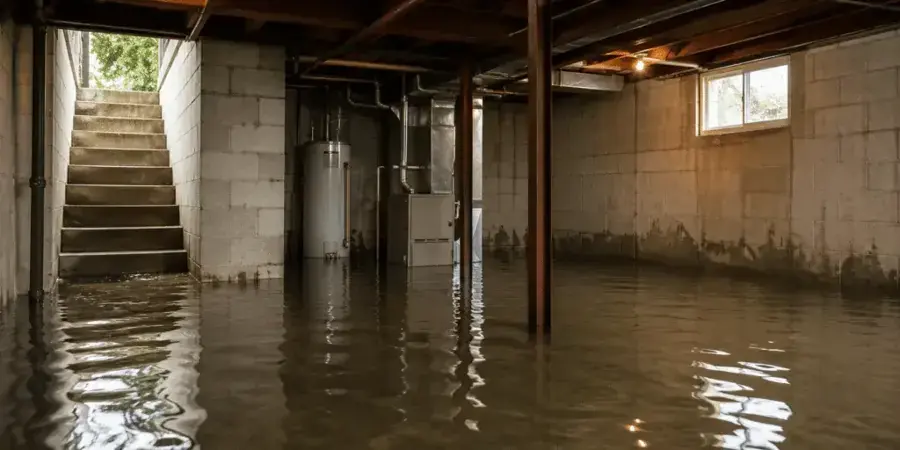 Basement Flooding Cleanup
Pumps, flood cuts and dehumidifiers for lower levels that took on water, with slab readings logged daily.
See the service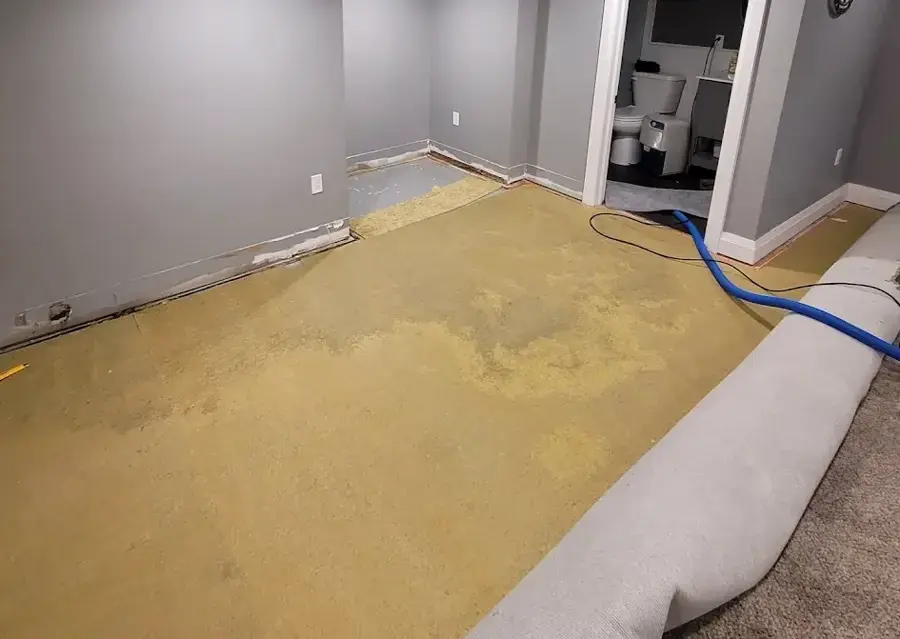 Water Extraction and Removal
Truck-mounted extraction lifts standing water from carpet, pad and hard floors before it reaches the framing.
See the service Sump Pump Failure Cleanup
When a sump pump quits, the crew pulls the water and dries the floor around the pit.
See the service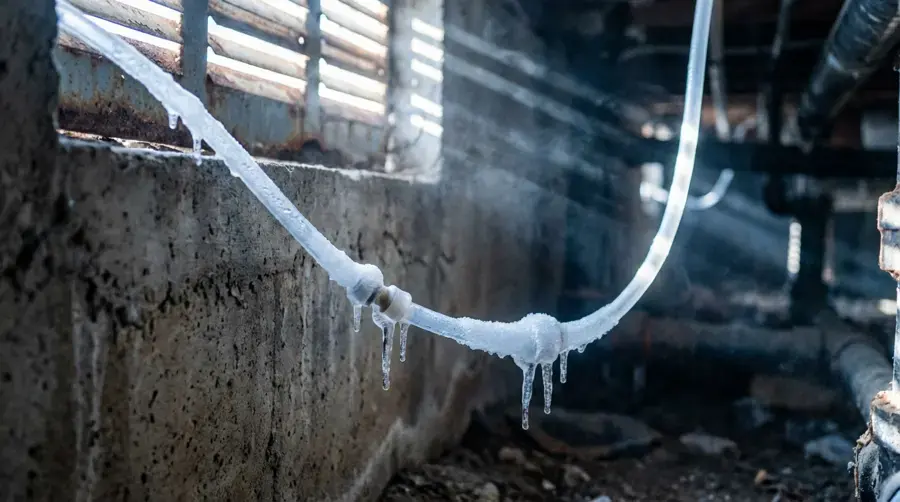 Frozen Pipe Water Damage
A frozen pipe that splits behind a wall gets opened up, extracted and dried cavity by cavity.
See the service Burst Pipe Water Damage
Burst supply pipes soak floors and ceilings, which calls for extraction followed by structural drying.
See the service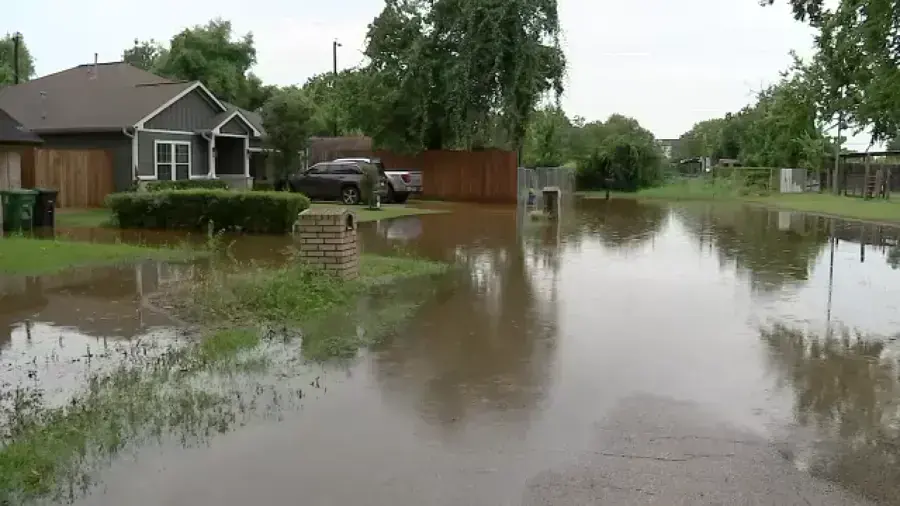 Storm and Flash Flood Cleanup
Flash flood and storm water cleanup for homes and businesses, including contaminated flood water.
See the service Sewage Backup Cleanup
Sewage backups are cleaned in protective gear, with porous materials removed and the area treated.
See the service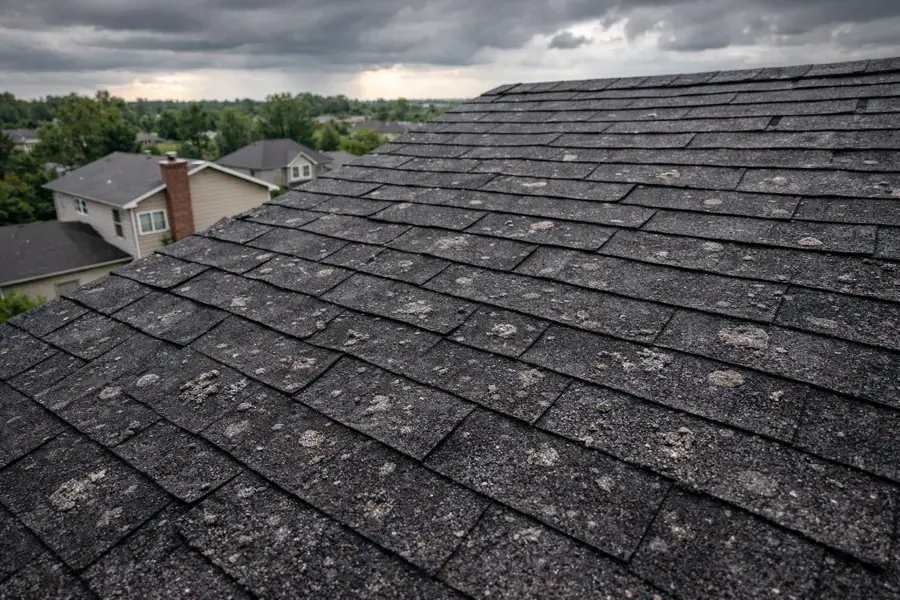 Roof Leak Water Damage
Roof leaks from spring storms wet insulation, ceilings and walls, and each layer is dried out.
See the service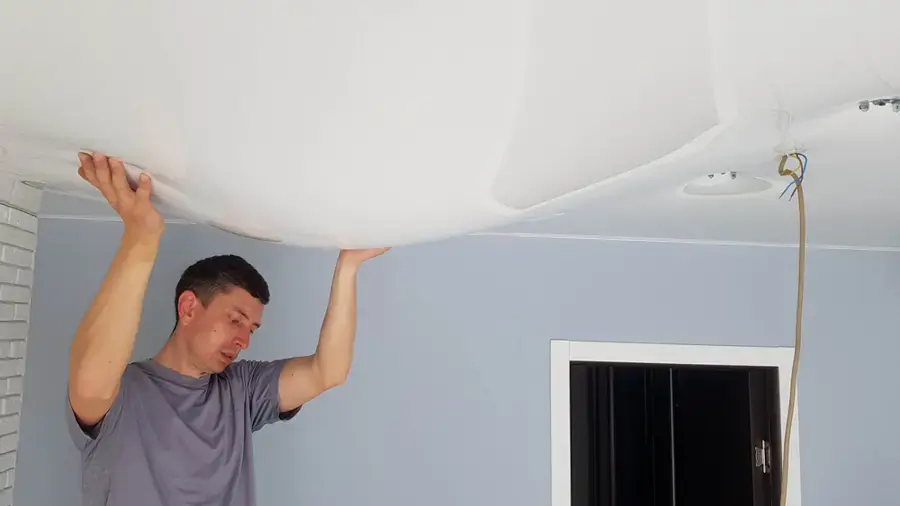 Ceiling Leak Water Damage
A stained or sagging ceiling is traced to its source, opened where needed and dried.
See the service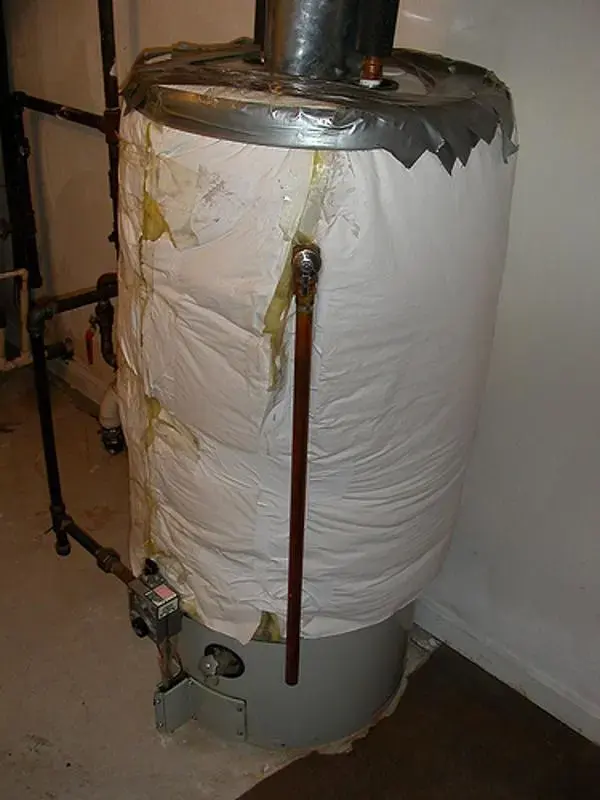 Water Heater Leak Cleanup
A leaking water heater floods the utility room first, then creeps into nearby floors and walls.
See the service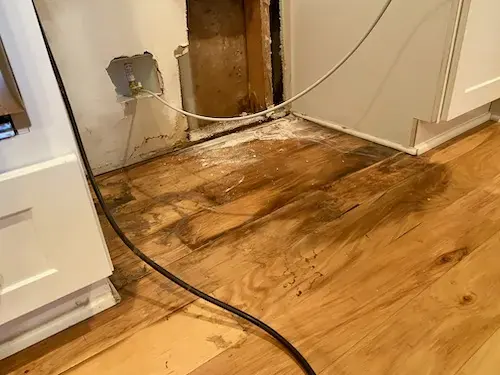 Appliance and Supply Hose Leaks
Dishwasher, washer and refrigerator hose leaks are extracted and dried before they reach the subfloor.
See the service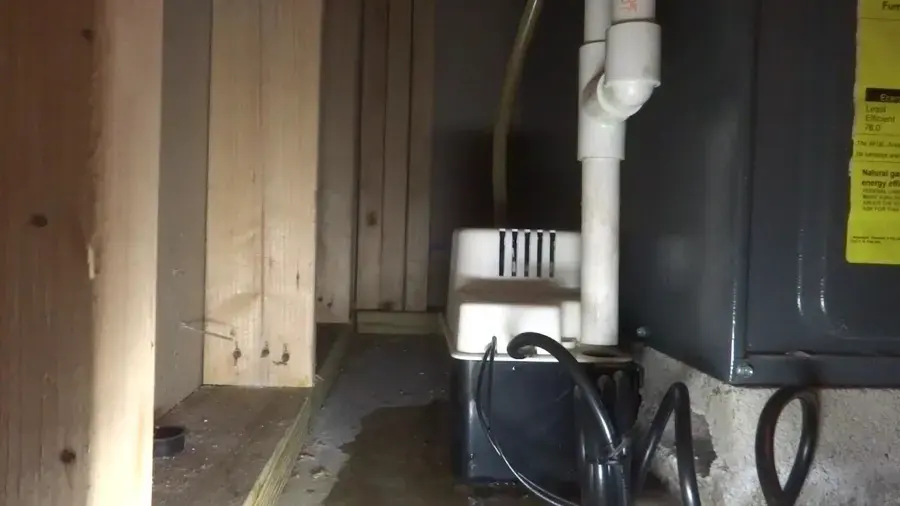 AC and Furnace Condensate Leaks
AC and furnace condensate leaks soak small areas slowly, and drying keeps them from spreading.
See the service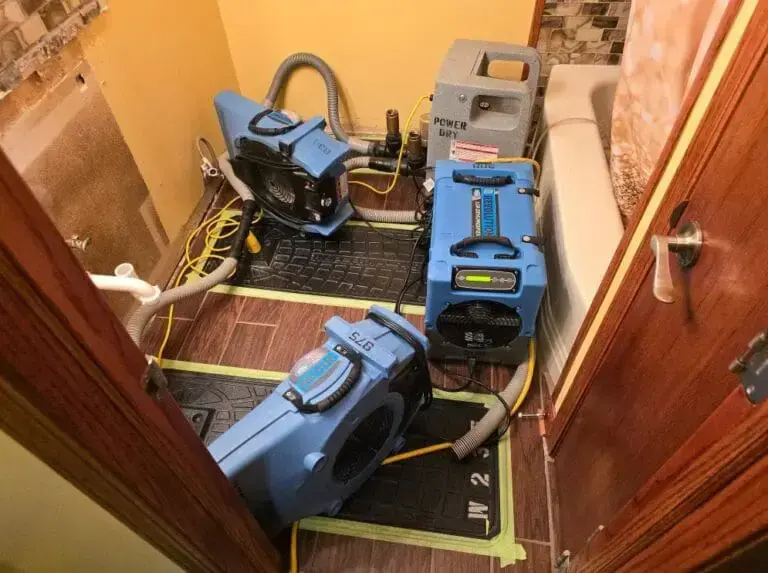 Structural Drying and Dehumidification
Air movers and dehumidifiers pull moisture from framing, subfloor and slab until readings match dry reference points.
See the service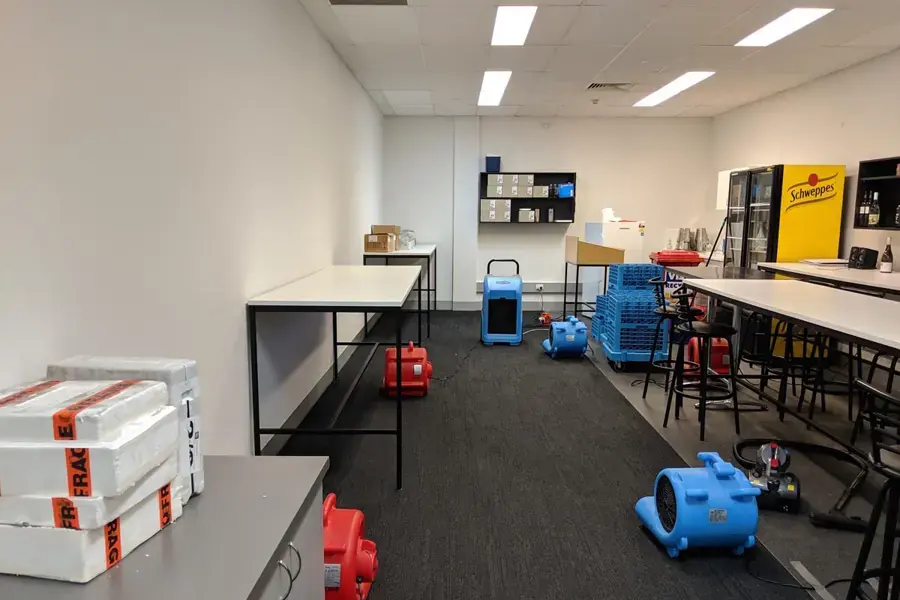 Commercial Water Damage
Shops, offices and larger buildings get phased drying plans and daily logs for the insurer.
See the serviceSteps to take while the water is still moving
- 1
Stop the source
Close the shutoff valve at the fixture or the main, and leave breakers alone if the floor is wet.
- 2
Protect yourself
Avoid wet floors near outlets and appliances, and keep children and pets out of any water that may be contaminated.
- 3
Lift what you can
Move small furniture, rugs and electronics onto dry surfaces, and lay foil or plastic under legs that stay.
- 4
Photograph everything first
Capture the water level, the damaged items and the source before anything is moved, since the photos support the claim.
- 5
Call for drying
Wet drywall and carpet pad can turn moldy within 24 to 48 hours, so an early call to the drying team matters.
Local water damage experts for Lee's Summit
The mitigation team works from moisture readings instead of guesses, and every Lee's Summit job ends with documented dry numbers for the insurer.
Round-the-clock crews
Leaks do not keep office hours, and the extraction crew works nights, weekends and holidays.
Meter-led drying
Moisture meters and thermal imaging show where water traveled, so the work covers the wet framing and not just the surface.
Claim-ready records
Photos, moisture maps and daily readings are assembled so an adjuster can follow each day of work.
Local water know-how
The crew knows how Lee's Summit divides duties: the city handles public mains and owners handle private pipes, including the sewer lateral.

A documented process from first reading to final dry
Every Lee's Summit job follows the same stages, and each one leaves a record that the owner and the insurer can follow, from first photos to the final dry reading.
- 1
Inspect and map
Moisture meters and a thermal camera mark the wet areas, and the water category is recorded before any material is touched.
- 2
Extract the water
Pumps and truck-mounted units pull standing water, and wet carpet and pad are removed when they cannot be saved.
- 3
Set up drying
Air movers, dehumidifiers and sometimes desiccant units go in place, positioned from the moisture map instead of by habit.
- 4
Verify and document
Readings are taken each day until the wood, drywall and slab match dry reference points, then the full file is handed over.
Clean, gray and black water need different handling
The category of water sets the protective gear, the materials removed and the cost, so it is identified first.
Clean water
Supply pipe leaks and fresh rain through a roof start clean, then degrade quickly if wet materials sit too long.
Frozen pipe water damageGray water
Dishwasher, washer and AC condensate leaks carry some contamination, so soaked pad and low drywall usually come out.
Appliance leak damageBlack water
Sewage and rising flood water carry bacteria, so the area is contained and every porous material is removed.
Sewage backup cleanupWhen the category is unclear, the team treats the water as the more serious one until inspection shows otherwise, which protects workers and keeps contaminated material out of dry rooms.
What water damage restoration costs in Lee's Summit
Costs usually run from $1,300 to $3,800 for a small clean water loss, $4,000 to $11,000 when finished rooms are involved, and $9,000 to $25,000+ for large or contaminated losses. Category, the size of the wet area and how long the water sat decide where a Lee's Summit loss lands among those ranges.
Small clean water loss
- Extraction from carpet and slab
- Air movers set in the room
- Readings logged daily
Finished lower level
- Wet pad and baseboards removed
- Wall cavity drying with dehumidifiers
- Daily moisture readings
Large or contaminated loss
- Containment and HEPA air scrubbers
- Porous materials removed and bagged
- Full documentation for the claim
These are typical ranges, not quotes. Final pricing comes from an on-site inspection of the Lee's Summit property, and the written scope itemizes each charge before work begins. Water category and materials involved move the total up or down.
Documentation that supports the claim
Adjusters look for proof of the source, the water category and the work done, so the restoration team records all three from the first visit.
- Dated photos of the source and each wet room
- Moisture readings and thermal images from day one
- A list of every material removed and why
- Daily drying logs through the final readings
Standard homeowner and commercial property insurance policies do not cover flood losses, so water entering from a storm or rising creek may need separate flood coverage. A burst pipe or failed appliance is a different cause, and the adjuster decides which policy applies.
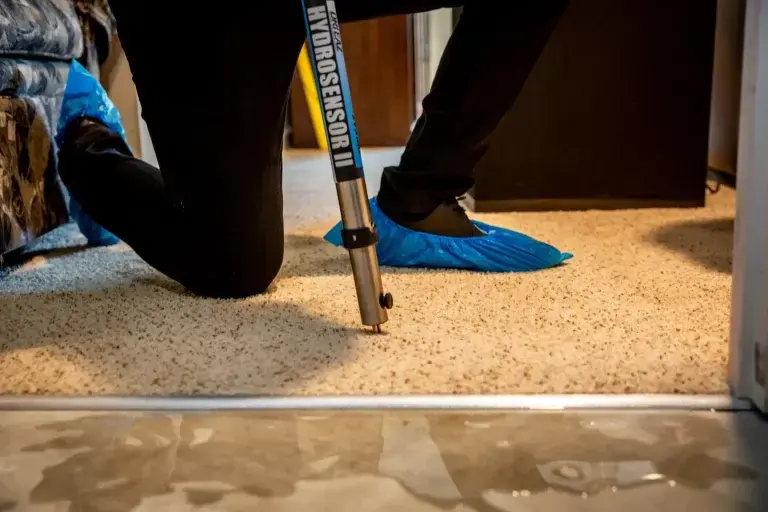
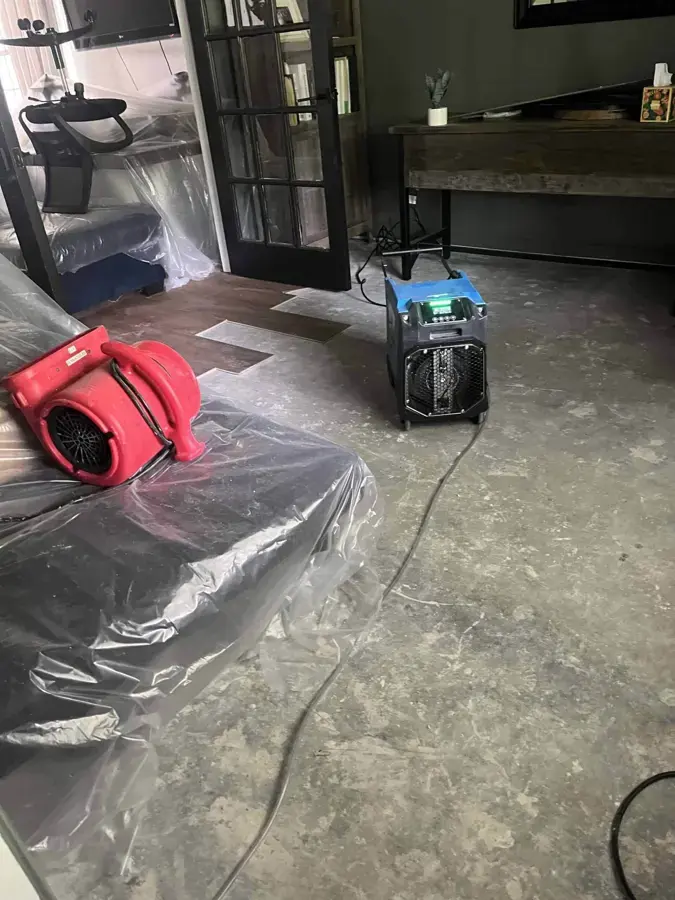
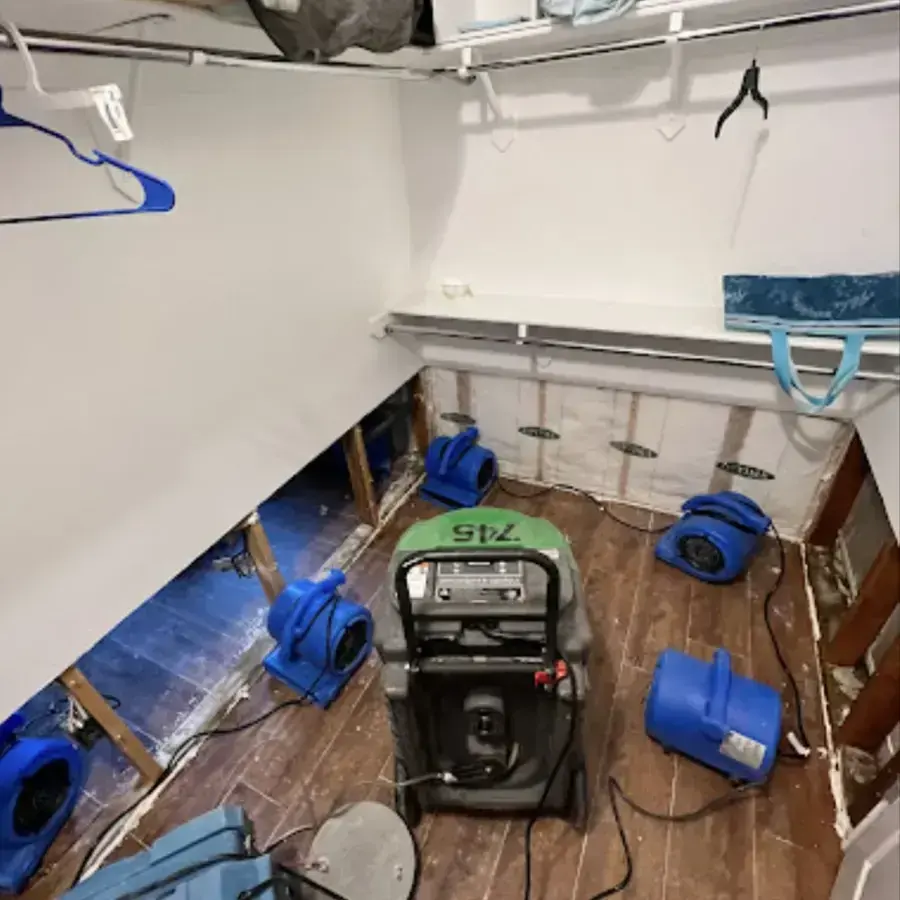
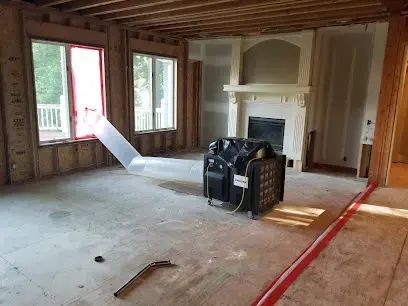
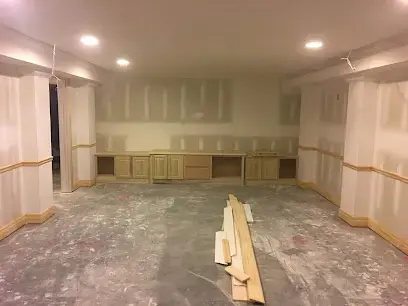
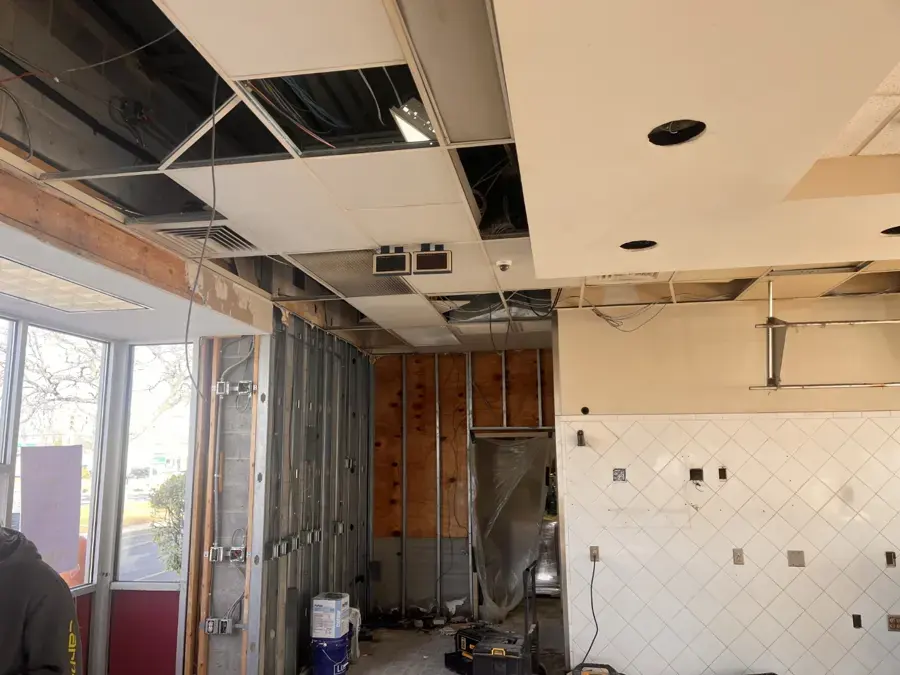
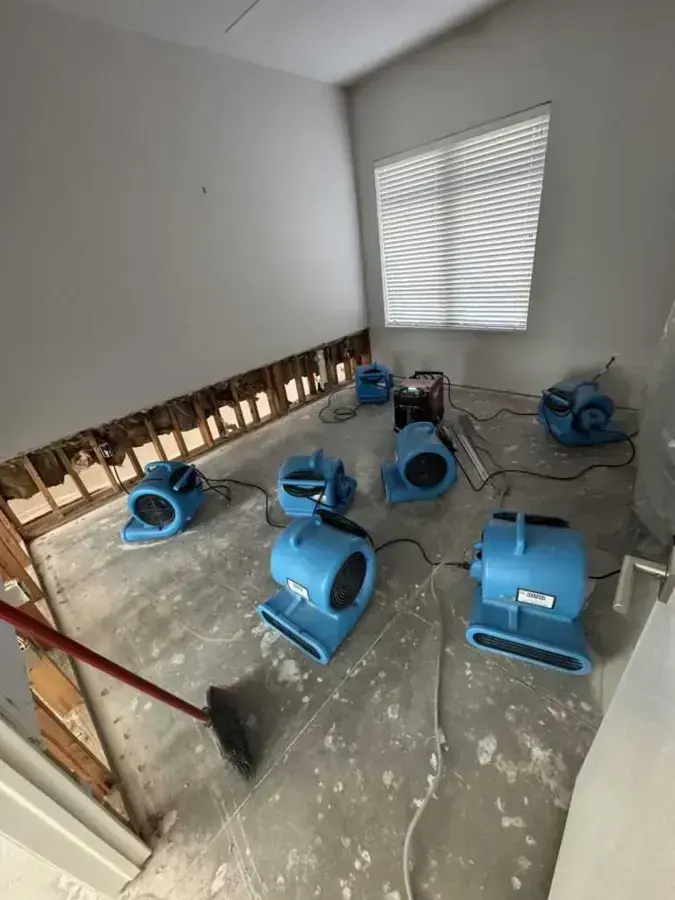
Drying equipment and cleanup work in Lee's Summit homes
Serving Lee's Summit from Downtown to Winterset Valley
The crew works throughout Lee's Summit, in Jackson County and the small part of the city that reaches into Cass County, for homes, shops and offices.
ZIP codes served
The restoration team works in these ZIP codes and the neighboring parts of Jackson County, handling single-family houses, offices, shops and churches, each with its own moisture-mapped drying plan.
Neighborhoods
Corridors
Landmarks
Nearby towns
Water damage in Lee's Summit does not wait for morning
Pipes burst at night, storms hit on weekends and sump pumps fail on holidays, so the Lee's Summit crew works around the clock to extract water and start drying before the damage reaches the framing.
(888) 603-7319Call the Lee's Summit drying teamWhat shapes water damage in Lee's Summit
Spring brings high precipitation and sometimes tornadoes, the Little Blue River valley runs along the northwest edge of the city, and the Wooded Osage Plains roll over limestone, sandstone and shale.
Creeks, lakes and runoff
- The city links flood gauges on the Little Blue River at Lee's Summit Road and on Cedar Creek at Chipman Road.
- Six reservoirs lie in and around the city, among them Lake Jacomo, Raintree Lake and Longview Lake.
Storms and wind
- Spring is the most variable season, with high precipitation and sometimes tornadoes, while winters are dry and moderately cold.
- Storms in June 2018 reached winds of 80 mph and left damage and power outages in their path.
Sewer and water pipes
- Lee's Summit Water Utilities serves nearly every building, and the Little Blue Valley Sewer District treats the wastewater.
- Owners are responsible for the sewer lateral and the water service pipe, including repair of a lateral that fails under the street.
The crew handles losses in Downtown Lee's Summit, New Longview and Winterset Valley, around Longview Lake and Third Street, along Interstate 470, U.S. Route 50 and Missouri Route 291, and in nearby residential streets, from single-family homes to offices, shops and churches.
Lee's Summit water damage questions
How fast does water damage spread in a Lee's Summit home?
Water wicks into drywall, pad and framing during the first hours, and moisture left in place for 24 to 48 hours invites mold and swelling. Early extraction keeps the affected area small.
Who is responsible for a sewer lateral in Lee's Summit?
The property owner handles the sewer lateral and the water service pipe, including inspection, cleaning, maintenance and repair, while the city and the sewer district handle public mains and treatment.
Which agencies handle sewer service in Lee's Summit?
The Little Blue Valley Sewer District treats wastewater for Lee's Summit, while Lee's Summit Water Utilities provides water and sewer service to nearly all buildings.
Do repairs after water damage need a city permit?
The city requires building permits for most construction, alteration and repair work, and replacing a water or sewer service pipe has its own permit through the CityView portal.
What does the drying team do on the first visit?
The team finds the source, maps the wet areas with meters and a thermal camera, extracts standing water and places air movers and dehumidifiers for structural drying. Photos are taken before anything is removed.
Can wet carpet and pad be saved?
Clean water caught early can sometimes be dried in place, but pad soaked by gray or black water is removed because it cannot be sanitized. Carpet itself is judged case by case.
How long does structural drying take?
A typical room needs a few days of equipment time, while thick slabs and hardwood can run longer. Daily readings decide when the equipment comes out.
What changes when a lower level is finished?
Finished basements hold carpet, pad, baseboards and drywall that wick water upward, so flood cuts and cavity drying are common, and the extra materials add to the scope and the cost.
Does the crew work on commercial properties too?
Yes, offices, shops, churches and multi-tenant buildings get phased drying plans through commercial water damage that keep unaffected areas open. Commercial properties are not eligible for the city lateral repair program.
What should be photographed before cleanup starts?
The source, the high-water mark on walls, damaged furniture and flooring, and any visible staining. Photos taken before anything is moved support the adjuster's work.
Get Lee's Summit water damage cleaned up and dried right
The restoration team documents every step and keeps the property owner informed from the first extraction to the final readings.
(888) 603-7319Call the Lee's Summit crew