Water Damage Restoration Independence, MO
Flash floods, heavy spring rain and hard winter freezes put Independence basements and pipes under steady pressure. The restoration team extracts standing water, opens wet walls and dries the structure until every reading is back to normal.
(888) 603-7319Get Independence water help now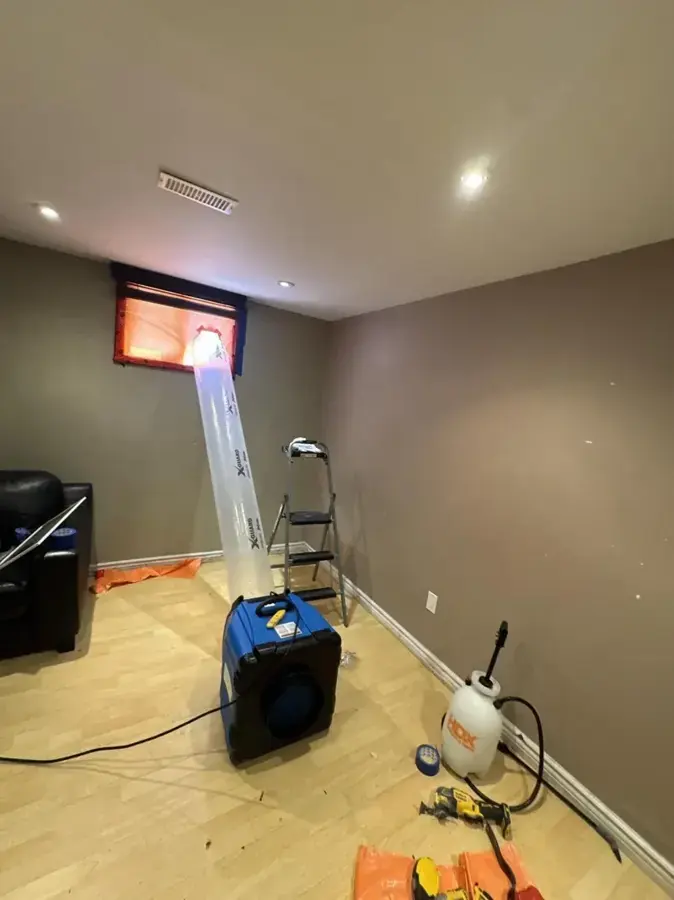
Flash flood basements
Heavy rain in July 2025 pushed water into Independence basements, and hard spring storms can bring it back.
Creek floodplains
Flooding concentrates along the Little Blue River Valley, Rock Creek, Spring Branch and Adair.
Sewer backups
Salem East homes saw sewage return after more than six inches of rain in July 2025.
Water damage services for Independence homes
Each service below covers a different kind of loss, from a flooded basement to a leaking ceiling or failed water heater.
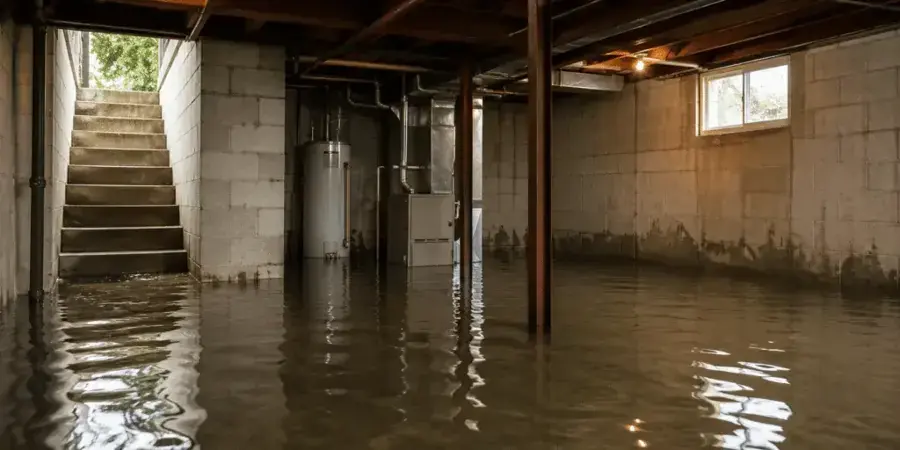 Basement Flooding Cleanup
Standing water pumped out, wet carpet and pad removed, and the slab and wall bottoms dried after a basement floods.
See the service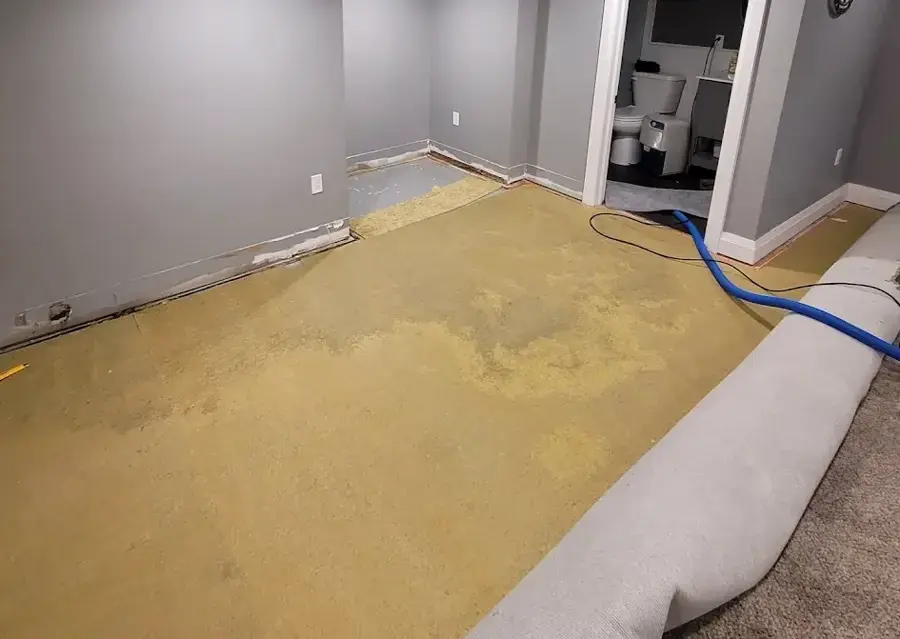 Water Extraction and Removal
Pumps and truck-mounted units pull deep water first, then the crew extracts what soaked into carpet and pad.
See the service Sump Pump Failure Cleanup
When a pump quits or the pit overflows, the floor is extracted and dried before moisture climbs the walls.
See the service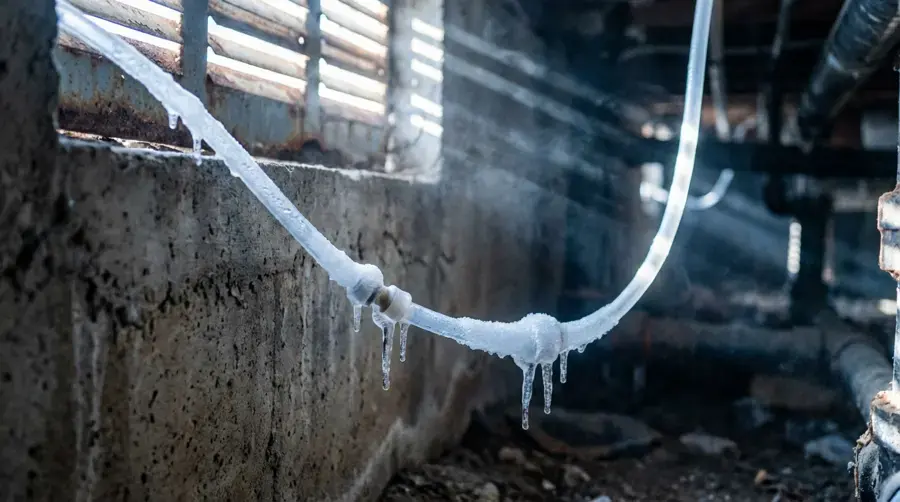 Frozen Pipe Water Damage
Thawing pipes can soak walls and ceilings fast, so the team opens the cavity and dries it.
See the service Burst Pipe Water Damage
A split supply pipe floods fast. The crew stops the spread, then extracts and dries floors, walls and the ceiling below.
See the service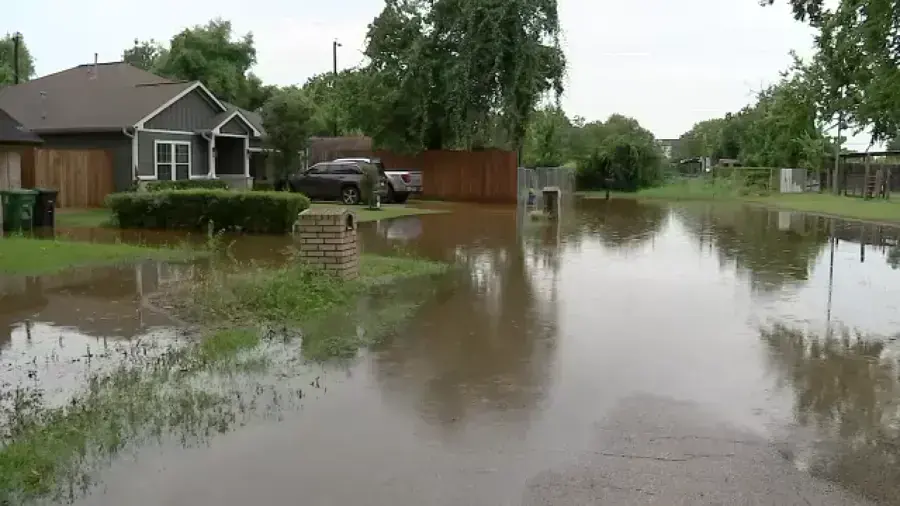 Storm and Flash Flood Cleanup
Flash flood and creek overflow water is extracted, cleaned and dried, with every step documented for the claim.
See the service Sewage Backup Cleanup
Sewage is handled with containment, protective gear, removal of porous materials and antimicrobial treatment.
See the service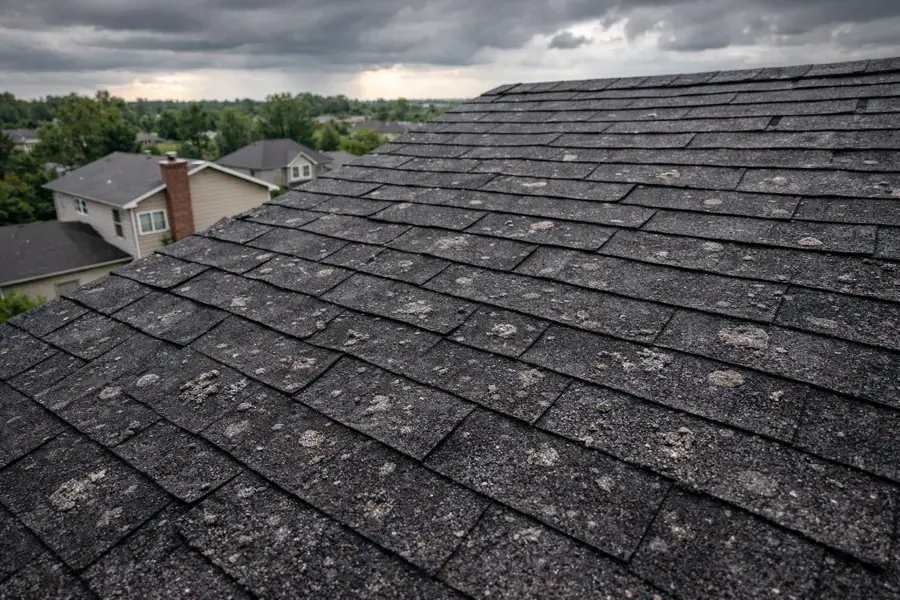 Roof Leak Water Damage
Wet insulation, damp rafters and stained ceilings from a roof leak are opened, dried and checked with a meter.
See the service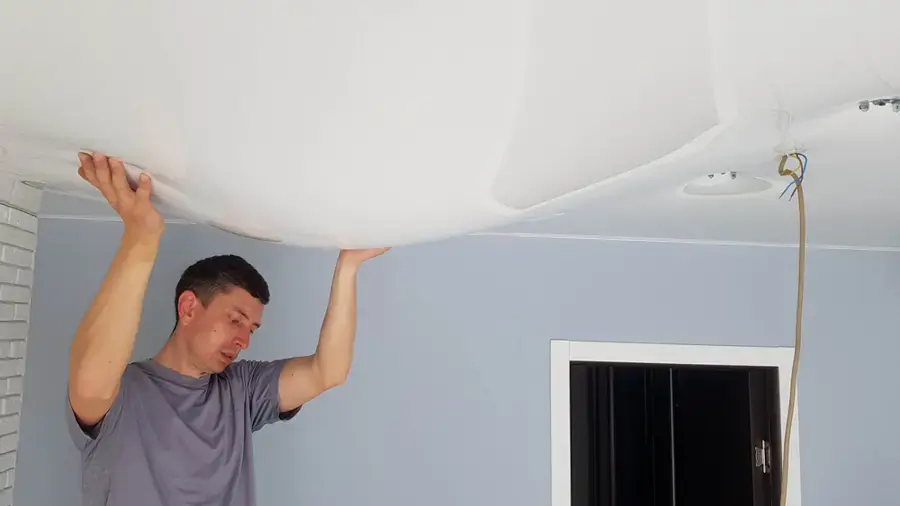 Ceiling Leak Water Damage
Dripping or bulging ceilings are traced to the source, opened where needed and dried before the drywall fails.
See the service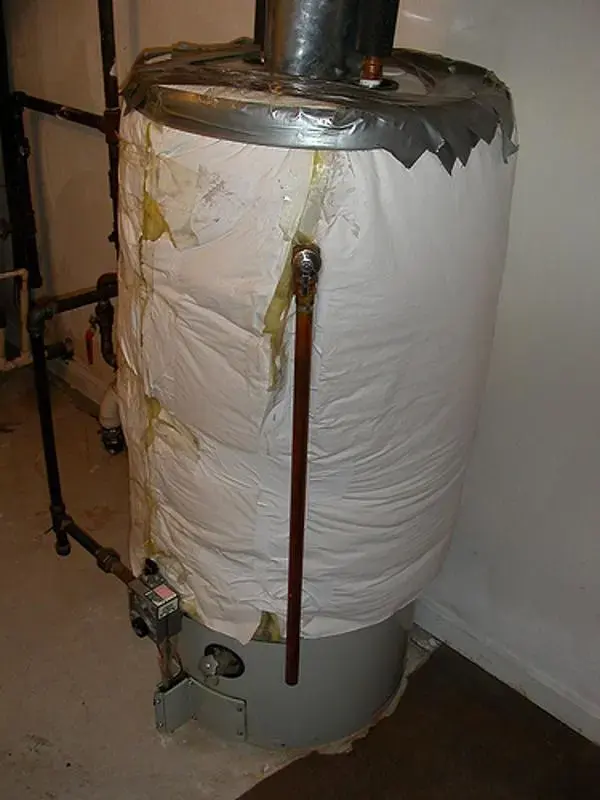 Water Heater Leak Cleanup
A failed tank can spread across a utility room fast, so the crew extracts and dries the slab and walls.
See the service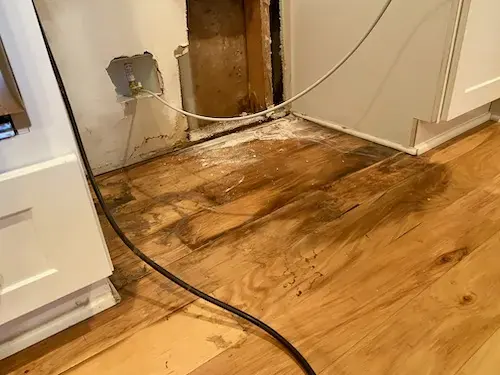 Appliance and Supply Hose Leaks
Washer hoses, dishwasher connections and refrigerator supply tubes that fail are dried from cabinet base to subfloor.
See the service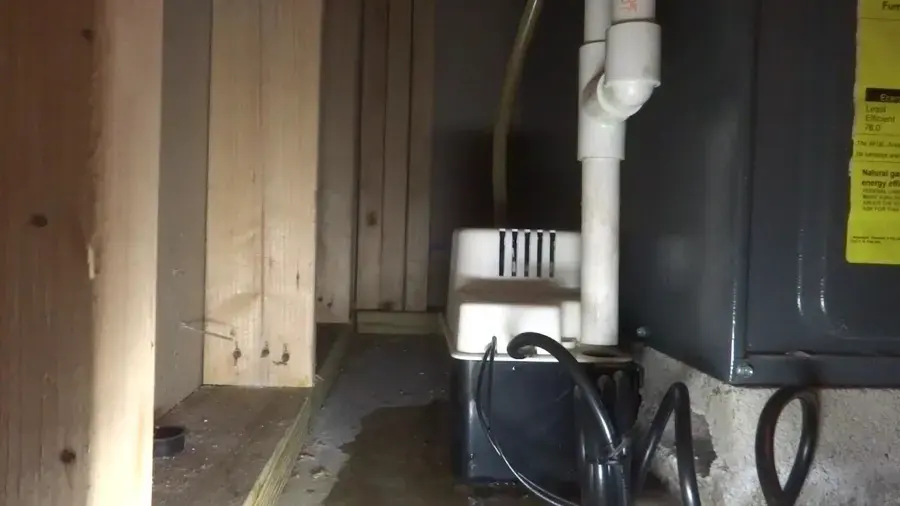 AC and Furnace Condensate Leaks
Clogged condensate drains and overflowing drip pans leave slow damp spots that the team finds and dries.
See the service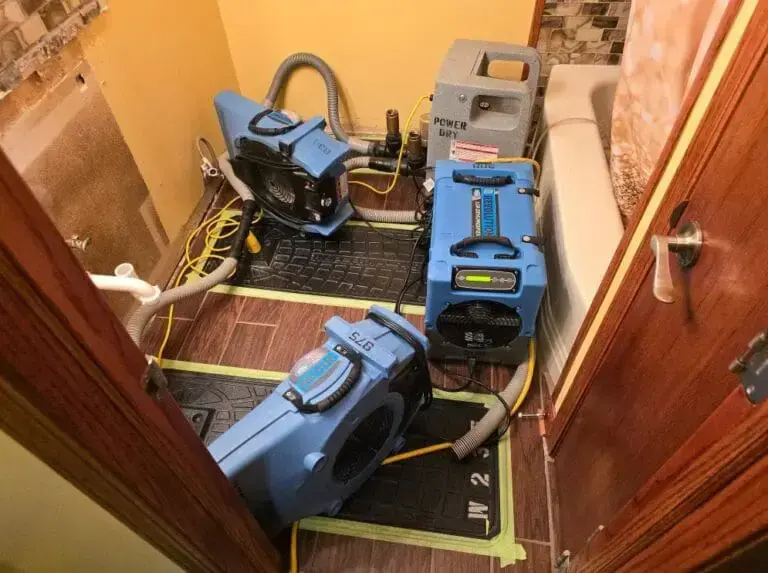 Structural Drying and Dehumidification
Air movers, dehumidifiers and daily readings bring wet framing, slabs and subfloors back to dry reference levels.
See the service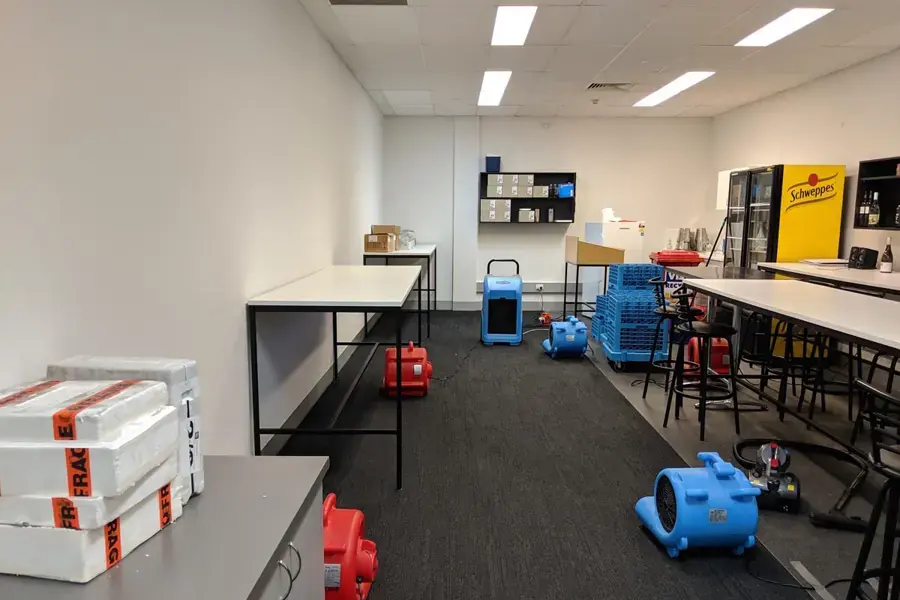 Commercial Water Damage
Shops, offices and churches are dried in phases so business can continue.
See the serviceSafe first steps while water is still spreading
- 1
Stop the source
Close the shutoff for the failed fixture or the main valve. Stay out of a basement if water reaches outlets or the panel.
- 2
Keep people clear
Standing water can hide live wiring. Keep children and pets out of the wet area and avoid touching cords from standing water.
- 3
Lift what can move
Raise rugs, small furniture, boxes and electronics onto dry ground or higher shelves so less of it soaks.
- 4
Photograph everything first
Take wide and close photos and a short video of the water, the damaged items and the source before anything is moved or removed.
- 5
Report the loss
Tell the insurer, keep receipts and hold off on throwing out wet drywall or carpet until moisture readings have been taken.
Drying work built around Independence houses
Independence mixes older wood-frame houses, bungalows and ranch homes, and each one holds water differently. The team matches equipment and methods to what is actually wet.
Equipment sized to the loss
Air movers and dehumidifiers are chosen from the moisture map rather than set by habit, so small losses are not oversized.
Readings kept daily
Moisture and humidity are logged at each visit, which shows whether drying is working and when the job is finished.
Paperwork for adjusters
Dated photos, readings and a list of removed materials are assembled so the insurer sees what happened.
Knowledge of local water
Creek flooding, sewer backups after storms and winter pipe freezes each get their own approach.

A drying process that follows measured readings
Every job follows the same measured sequence, so the result can be checked instead of assumed. Readings decide how long each step runs and when equipment can come out.
- 1
Assess the loss
The team finds the source, classifies the water and maps wet areas with a moisture meter and thermal camera before choosing equipment.
- 2
Remove the water
Pumps and truck-mounted extraction take standing water first, then soaked carpet, pad and damaged finishes are pulled out to stop further wicking.
- 3
Dry the structure
Dehumidifiers and air movers are placed from the moisture map, and wet cavities are opened so air reaches framing and subfloors.
- 4
Verify and document
Daily readings continue until materials reach dry reference levels, and the photos, log and equipment record go to the insurer.
Clean, gray and black water need different handling
Water is sorted into three categories, and the category decides what can stay and what has to come out.
Clean water
Broken supply pipes and failed fittings release clean water first, but wet porous materials can slip into a worse category if left in place.
Frozen pipe damage repairGray water
Washer, dishwasher and sink overflow carries soap and soil. Carpet and pad that soak it up are usually removed rather than saved.
Appliance and hose leaksBlack water
Sewage, creek flood water and rising groundwater carry contamination. The area is contained and porous materials come out.
Sewage backup cleanupClean water that sits too long can be reclassified, which is why quick extraction matters. See water extraction in Independence for how the first removal works.
What water damage restoration costs in Independence
Most Independence water damage jobs land between about $1,300 and $25,000 or more, depending on how much floor and wall got wet and what kind of water it was. A small clean water spill sits at the low end, while sewage or flood water reaches the top of the range.
Small clean water loss in one room
- Extraction and removal of water
- In-place drying equipment
- Readings logged at every visit
Finished basement or several rooms
- Flooring and drywall removal
- Wall cavity drying
- Moisture map for the claim
Sewage or deep flood water
- Containment and HEPA air scrubbers
- Porous materials removed
- Antimicrobial treatment
The final figure follows square footage, water category, how long materials stayed wet and equipment days. A written scope and daily readings explain each charge to the adjuster. See basement flooding cleanup for a closer breakdown.
Claim records that adjusters can follow
Adjusters ask what happened, how far it spread and what was done about it. The restoration team keeps records that answer those questions without guesswork.
- Dated photos of the water, the source and the damage
- Moisture readings from each visit and each room
- Itemized list of every material removed and why
- Equipment placement, start dates and run days
Homeowners can start the record themselves. Photograph the water before anything moves, keep receipts and note when the loss began. Independence takes part in the National Flood Insurance Program, and the city says about 30 percent of FEMA claims come from outside the 100-year flood zone.
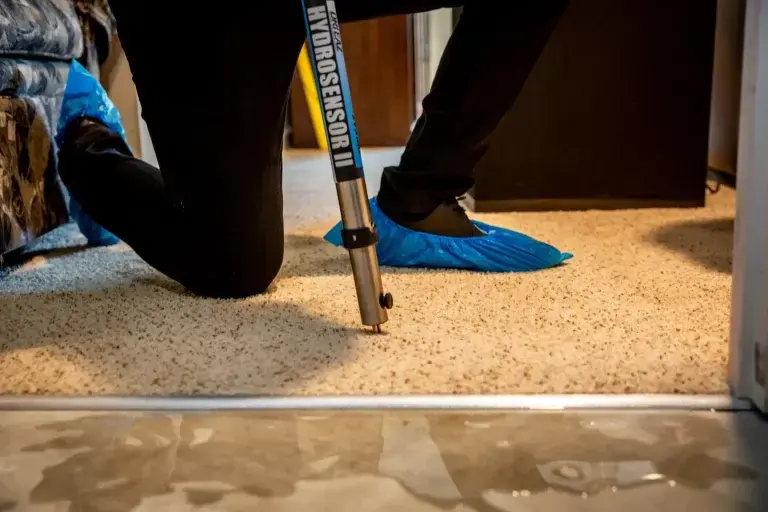
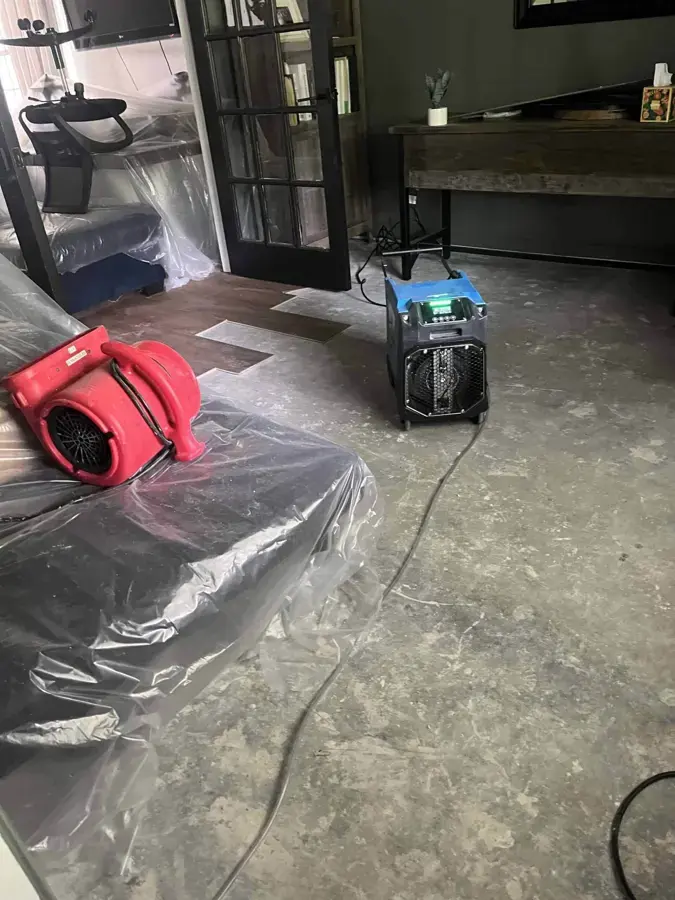
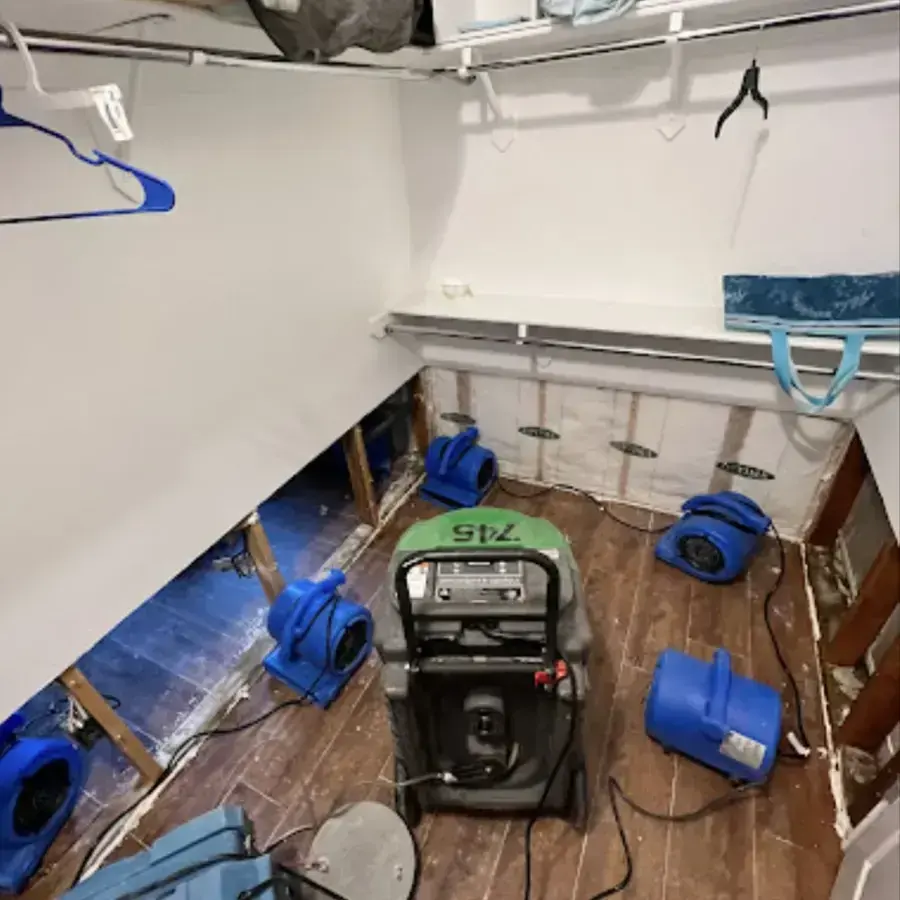
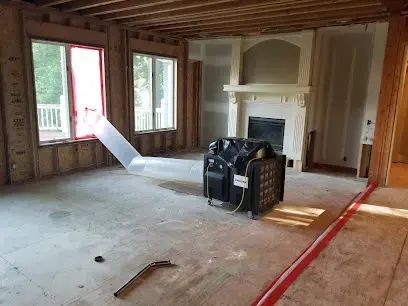
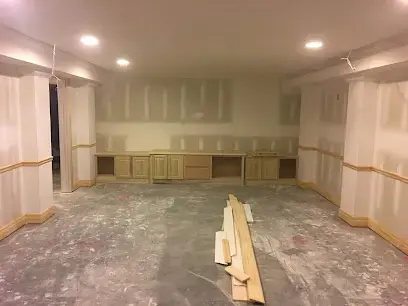
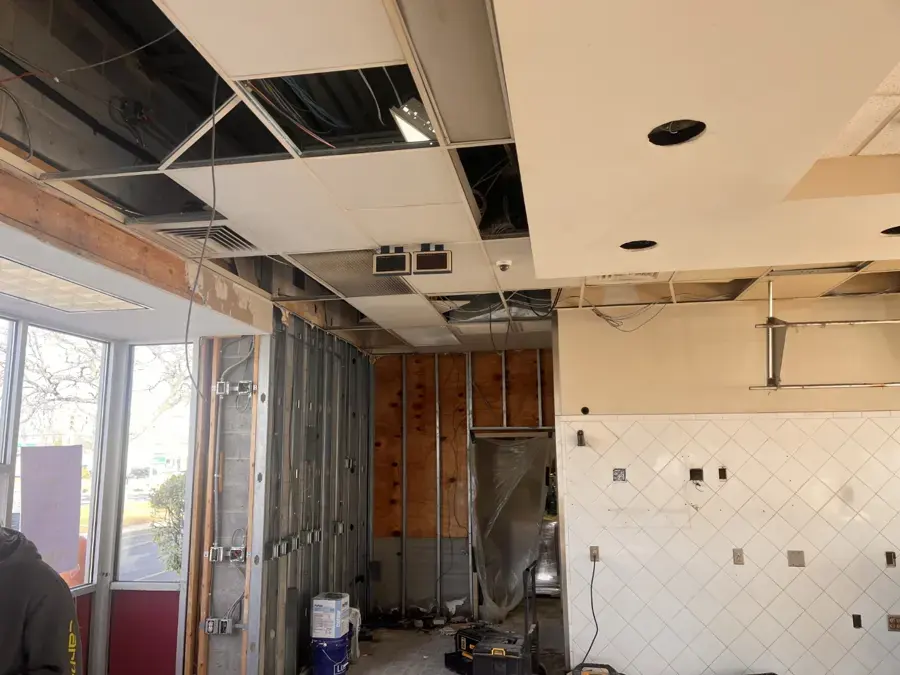
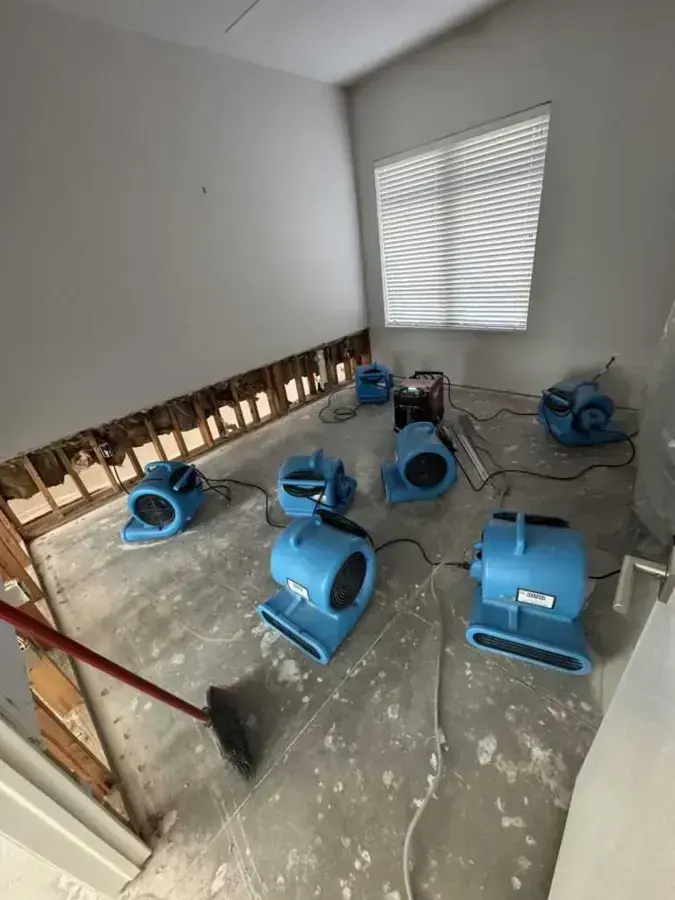
Drying equipment at work in Independence homes
Water damage restoration across Independence neighborhoods
The crew works throughout Independence, from the older streets near the Square to ranch home neighborhoods and the newer developments in the east.
ZIP codes served
These ZIP codes cover much of Independence, and some addresses on the edges fall into neighboring school districts and cities, so the service area is confirmed by street address.
Older neighborhoods
More neighborhoods
Corridors
Nearby towns
Water does not wait for business hours
A pipe can split overnight and a storm can flood a basement on a holiday weekend. The Independence response team takes calls at any hour and starts by finding out what is wet and whether power is safe.
(888) 603-7319Reach the Independence teamWhat drives water losses in Independence
Independence water losses come from three directions: creek and street flooding, sewers that fill during heavy rain, and plumbing that freezes in winter. Each one leaves a different kind of mess.
Little Blue valley flooding
- The city says flooding occurs mainly in the Little Blue River Valley and along parts of Rock Creek, Spring Branch and Adair.
- Urban flooding can also turn streets into fast-moving rivers and fill basements with water.
Sewers and heavy rain
- Independence keeps sanitary and storm sewers separate, yet sewage backed up into Salem East homes in July 2025.
- The city recommends a backflow prevention device on the sanitary sewer lateral, or floating floor-drain plugs.
Freeze and thaw
- Independence averages about 13.2 inches of snow a year and has recorded a low of minus 16 degrees Fahrenheit.
- The Independence Water Department advises insulating exposed pipes, crawl space pipes and outside-wall sinks.
Frequent calls come from Benton, Englewood and Procter, Manor Oaks, Mount Washington and Fairmount, North Main and South Main, Truman, Winner, McCoy, New Town at Harmony and Salem East, plus the streets around Independence Square and along Truman Road, Noland Road and Winner Road.
Independence water damage questions answered
How soon does a flooded Independence basement need attention?
Wet drywall, carpet and framing start holding moisture quickly, and mold can begin in 24 to 48 hours, so extraction and drying should start as soon as the area is safe.
Why does basement water return after heavy rain?
Saturated ground, an overloaded sump pump and backed up drains can all send water to the same spot. The team looks for the entry point so drying is not undone by the next storm.
Is sewage handled differently from clean water?
Yes. Sewage carries bacteria, so the area is contained, porous materials are removed and surfaces get an EPA-registered antimicrobial. See sewage backup cleanup.
Should a backflow device go in after a sewer backup?
The city recommends a backflow prevention device on the sanitary sewer lateral, or floating floor-drain plugs. A plumber can advise which option suits the home.
What do frozen pipes have to do with water damage?
The Independence Water Department advises insulating exposed pipes. A pipe that thaws can burst and release water behind walls, so restoration begins with opening the wet cavity.
How long does structural drying usually take?
Most rooms need several days of equipment run time, with readings each day until materials reach dry reference levels. Dense framing or deep soaking runs longer.
Will insurance cover water damage restoration?
Coverage depends on the policy and the cause. Sudden pipe and appliance failures are often covered, while flood water usually needs separate flood coverage. Dated photos and readings support the claim.
Can furniture and belongings be saved?
Hard items and some contents can often be cleaned and dried. Porous items that soaked up sewage or flood water are usually discarded, and the team documents contents before removal.
Do commercial buildings get the same drying work?
Yes, scheduled in phases. Storefronts around Independence Square, offices and clinics are dried section by section. See commercial water damage.
What should be moved before the crew gets there?
Rugs, boxes, electronics and loose furniture should go to dry ground. Heavy appliances and wet drywall are left for the crew to handle.
Independence water damage handled from first pump to final reading
From the first extraction pass to the last dry reading, the Independence team keeps the work measured and the paperwork ready.
(888) 603-7319Start Independence drying