Storm and Flash Flood Cleanup in Independence, MO
Flash flooding in July 2025 damaged or destroyed roughly 20 Independence homes. The restoration team removes flood water, strips contaminated materials and dries what can be saved.
(888) 603-7319Start flood cleanup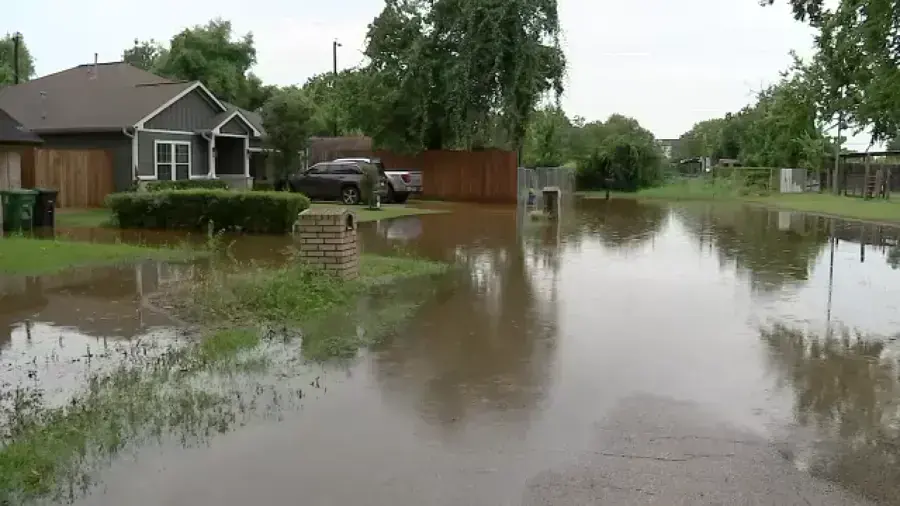
First steps for storm and flash flood cleanup in Independence
- 1
Stay out of the water
Flood water can hide wiring and contamination. Wait until power is confirmed off.
- 2
Call the insurer
Report the loss and ask about flood coverage before cleanup starts.
- 3
Photograph everything
Take photos of the water level, damaged items and the source.
- 4
Move what is safe
Lift dry belongings to higher ground, and leave soaked porous items for assessment.
What does storm and flash flood cleanup cost in Independence, MO?
A shallow basement costs far less than a flooded finished level. Deep water across two levels reaches the top of the range because of removal volume and equipment.
Bare basement, shallow water
- Extraction and cleaning
- Antimicrobial treatment
- Slab drying
Finished lower level
- Carpet, pad and drywall removed
- Containment
- Structural drying
Deep water, two levels
- Large-scale removal
- HEPA air scrubbers
- Full claim documentation
Ranges are typical, not a quote: the water category, the wet square footage, the material class and how fast drying started move the number most. Run the water damage cost calculator for a closer planning range.
How storm and flash flood cleanup is handled in Independence
- 1
Assess and protect
The crew checks hazards, classifies the water as contaminated and protects unaffected rooms before work begins.
- 2
Pump and extract
Pumps and truck-mounted units remove flood water, then wand extractors pull what soaked into floors and low spots.
- 3
Remove and clean
Soaked porous materials are removed, and the remaining surfaces are cleaned and treated against bacteria.
- 4
Dry and document
Dehumidifiers and air movers run with logged readings and photos until the structure is dry.
Flood water is different from a leak. It arrives from streets, creeks and saturated ground, and it carries soil and contamination into the house along with the volume.
Where Independence floods
The city says flooding occurs principally in the Little Blue River Valley and along portions of Rock Creek, Spring Branch and Adair. It also notes that urban flooding can turn streets into fast-moving rivers and fill basements with water.
Stormwater in Independence goes directly to local creeks and rivers without treatment, which is one reason flood water is handled as contaminated.
How the response works
The response team extracts the water first, then sorts materials by what flood water touched. Carpet, pad and wet drywall are usually removed, while framing and the slab are cleaned and dried.
- Extraction and pumping of standing water
- Removal of carpet, pad and flood-cut drywall
- Cleaning with an antimicrobial treatment
- Dehumidifiers and air movers, with readings
After the water recedes
The city says about 30 percent of FEMA claims come from outside the 100-year flood zone, so a loss in an unmapped area still needs a clear record. Independence also takes part in the National Flood Insurance Program, and photos and readings help any claim.
After the July 2025 flooding, an event for flood victims was held on August 2, 2025 at the Fairmount Community Center, a sign of how many families needed help at once. Many losses also involve basement flooding cleanup and water extraction.
Storm and flash flood cleanup across Independence and nearby towns
Flood cleanup covers Independence, with attention to areas near the Little Blue River Valley, Rock Creek, Spring Branch and Adair, and to neighborhoods such as Fairmount, Salem East and the older blocks of Benton. Work also reaches Englewood, Procter and North Main.
The same service nearby: storm and flash flood cleanup in Blue Springs, Raytown, Grain Valley.
Water damage restoration in Independence · every town covered
Related water damage services in Independence
Storm and Flash Flood Cleanup questions in Independence, MO
Is flood water safe for a homeowner to clean up?
Not usually. It carries contamination, so protective gear and proper disposal of soaked materials matter.
Does standard insurance cover flood water?
Often not. Flood coverage is usually separate, and Independence takes part in the National Flood Insurance Program.
Can a house outside the flood zone flood?
Yes. The city says about 30 percent of FEMA claims come from outside the 100-year flood zone, so a mapped boundary does not promise dry floors.
What gets thrown away after a flood?
Carpet, pad, insulation and drywall that soaked flood water are usually removed, while framing and the slab are cleaned and dried.
How long does drying take?
Several days for most losses, with daily readings guiding when equipment can come out.
Why does flood water count as contaminated?
Stormwater in Independence goes directly to creeks and rivers without treatment, and street runoff carries soil and waste into homes.
Flood recovery, documented
Flash floods leave contaminated water and soaked materials behind. The restoration team removes it, cleans the structure and documents every step for the claim.
(888) 603-7319Start flood cleanup