Ceiling Leak Water Damage in Grain Valley, MO
A stain overhead means water is above it. The Grain Valley water damage pros trace where it came from, open what is wet and dry the joist bay before the ceiling fails or spreads damage.
(888) 603-7319Trace a ceiling leak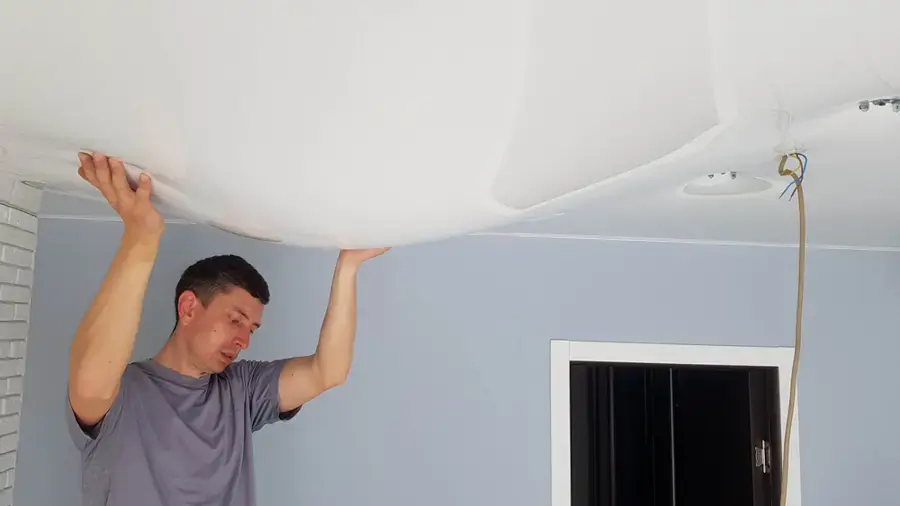
First steps for ceiling leak water damage in Grain Valley
- 1
Catch the drip
Set a bucket under the leak and move furniture and rugs away from the wet area.
- 2
Shut off nearby water
Turn off the supply valve to any upstairs fixture that might be the source.
- 3
Switch off the lights
Turn off ceiling fixtures and fans near the stain and leave them off until an electrician says otherwise.
- 4
Photograph the stain
Record its size now and again later, because growth shows whether the source is still active.
What does ceiling leak water damage cost in Grain Valley, MO?
Cost depends on how much drywall and insulation were wet. A small stain costs far less than a ceiling that has to be opened, and contaminated water or two affected rooms raise the total.
Small ceiling stain
- Leak traced
- In-place drying
- Moisture readings
Ceiling section opened
- Wet drywall and insulation removed
- Joist bay drying
- Daily logs
Contaminated or two rooms
- Category two or three removal
- Antimicrobial treatment
- Full claim file
Ranges are typical, not a quote: the water category, the wet square footage, the material class and how fast drying started move the number most. Run the water damage cost calculator for a closer planning range.
How ceiling leak water damage is handled in Grain Valley
- 1
Find the source
The team checks upstairs fixtures, the roof and HVAC drains to learn where the water began.
- 2
Open the ceiling
Wet drywall and insulation are removed in a controlled way to release trapped water.
- 3
Dry the bay
Air movers and dehumidifiers dry joists and adjacent framing.
- 4
Confirm and record
Moisture readings show dry framing, and photos record each stage for the claim.
A ceiling stain is a symptom, not the leak itself. Water collects above the drywall, soaks insulation and then shows through, so the real problem may be an upstairs pipe, a roof gap or a clogged drain far from the stain.
Upstairs leaks in newer homes
Multi-story homes in subdivisions like Sni-A-Bar Farms and Woodbury can carry an upstairs supply leak down into the ceilings below. A tub, a toilet or a bathroom pipe can be the source, and the stain often sits beneath it or off to one side.
If the leak began on the second floor, the loss may also touch walls and the floor underneath, so the team checks beyond the stain.
- Source traced and stopped
- Wet drywall cut away
- Insulation removed and bagged
- Joist bay dried in place
When a ceiling should come down
A ceiling that sags, bulges or drips is holding water. Opening it releases that water in a controlled way, which is safer than waiting for the drywall to fall. A supply pipe behind it overlaps with burst pipe water damage.
Stains from a roof source tend to turn up after rain, while stains from plumbing show up regardless of weather. That difference helps point the team toward the source, and roof leak water damage covers the other path.
Drying before rebuilding
Air movers and dehumidifiers dry the joists and nearby walls while the team records readings. Rebuilding only starts after the lumber tests dry, so no moisture is sealed in behind new drywall.
Photos of the stain, the opened ceiling and the source help the claim.
Ceiling leak water damage across Grain Valley and nearby towns
Ceiling leak work covers the 64029 ZIP code, from two-story homes in Sni-A-Bar Farms, Woodbury and Rosewood Hills to townhomes in Greystone, Creekside Village and Farmington Meadows, and buildings in Downtown Grain Valley. Breezeway and Blue Branch are served as well.
The same service nearby: ceiling leak water damage in Blue Springs, Oak Grove, Independence.
Water damage restoration in Grain Valley · every town covered
Related water damage services in Grain Valley
Ceiling Leak Water Damage questions in Grain Valley, MO
Where does a ceiling leak usually start?
Common sources are roofs, upstairs bathrooms, supply pipes and HVAC drains. The stain may sit away from the origin because water travels along framing.
Is a brown ceiling stain a sign of old damage?
Brown rings often mean water has been present more than once, but the source can still be active, so it is traced before any repair.
Can the ceiling be painted over?
Not until the source is fixed and the structure dries. Paint over damp drywall traps moisture and the stain returns.
How does the team find the source?
A moisture meter and thermal camera map the wet area, and fixtures, pipes and roof conditions are checked for the match.
Do upstairs leaks affect the floor below?
They can. Water that drops through a ceiling may also reach floors, so rooms below the opened ceiling are checked and dried.
Open, dry and rebuild right
The Grain Valley water damage pros trace the source, open the ceiling where needed, dry the joists and document the loss for the claim so repairs can start on dry framing.
(888) 603-7319Start ceiling leak work