Structural Drying and Dehumidification in Independence, MO
Independence has older wood-frame houses, bungalows and ranch homes, and each holds moisture in its own way. The drying team places equipment from a moisture map and keeps measuring until the structure is dry.
(888) 603-7319Start structural drying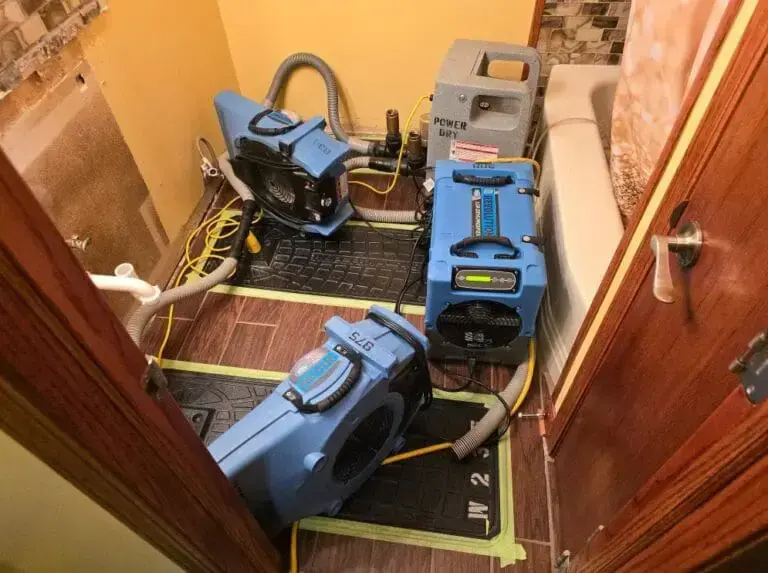
First steps for structural drying and dehumidification in Independence
- 1
Keep the area closed
Close doors and windows so humidity from outside does not slow drying.
- 2
Leave equipment running
Air movers and dehumidifiers work around the clock, so do not switch them off.
- 3
Avoid moving materials
Keep wet carpet and drywall in place until the crew has taken readings.
- 4
Report changes
Tell the crew about new stains, smells, damp spots or any equipment that stops running.
What does structural drying and dehumidification cost in Independence, MO?
One room costs the least. A whole basement needs more dehumidifiers and monitoring, and dense slab or hardwood drying adds time and specialized equipment, which raises the range. Class 1 to 2 rooms sit at the low end.
One room, Class 1 to 2
- Air movers and LGR dehumidifier
- Three to four days
- Daily readings
Whole basement
- Multiple dehumidifiers
- Wall and slab drying
- Psychrometric logs
Class 4 slab or hardwood
- Desiccant dehumidifiers
- Injection or mat drying
- Extended monitoring
Ranges are typical, not a quote: the water category, the wet square footage, the material class and how fast drying started move the number most. Run the water damage cost calculator for a closer planning range.
How structural drying and dehumidification is handled in Independence
- 1
Map the moisture
A meter and thermal camera show where water remains in framing, slabs and walls.
- 2
Set the equipment
Air movers and dehumidifiers are placed from the map and sized to the space.
- 3
Monitor daily
Temperature, humidity and material readings are logged and equipment is adjusted.
- 4
Confirm dry
Equipment is removed once readings match the dry reference.
Pulling the water out is only half the job. Wood, concrete and drywall keep moisture long after the surface looks dry, and structural drying is the measured process that removes it.
Why Independence homes dry differently
Independence has mid-nineteenth century houses near the Square, bungalows and cottages from the early 1900s, and ranch and tract homes from the 1940s and 1950s. Plaster, old lumber, newer drywall and concrete slabs all release water at different rates, so one setup does not fit them all.
Basements flooded in July 2025, which put slabs and wall bottoms under water in many homes.
Wood framing, old lath and plaster, and concrete floors each need their own target reading, which is why the drying team measures instead of guessing.
How the equipment is placed
The crew maps wet areas with a moisture meter and thermal camera, then positions air movers to push dry air across wet surfaces and dehumidifiers to pull humidity from the room. Cavities are opened where air cannot reach.
- Moisture map before equipment goes in
- Air movers aimed along wet surfaces
- LGR dehumidifiers sized to the room volume
- Daily temperature and humidity readings
Knowing when it is dry
Readings from affected materials are compared with an unaffected reference of the same type, and equipment stays until they match. Pulling equipment early leaves moisture that can feed mold, which is why the logs matter for the repair and the claim. Related work includes basement flooding cleanup and water extraction.
Structural drying and dehumidification across Independence and nearby towns
Structural drying covers Independence, from older houses in Benton, North Main, Truman and Mount Washington to ranch homes in Manor Oaks and newer homes in New Town at Harmony and Salem East. Work also reaches Englewood, Procter and the Fairmount Business District.
The same service nearby: structural drying and dehumidification in Blue Springs, Raytown, Grain Valley.
Water damage restoration in Independence · every town covered
Related water damage services in Independence
Structural Drying and Dehumidification questions in Independence, MO
How long does structural drying take?
Several days for most rooms, with dense materials taking longer. Readings decide the finish, not the calendar.
Why do the machines run all day?
Dehumidifiers and air movers need continuous operation to keep pulling moisture out of materials.
Can drying be rushed?
Not safely. Removing equipment early leaves moisture in framing that can lead to mold or warping.
What are the readings for?
They show moisture trends and when materials reach dry reference levels, and they support the claim.
Does a dry-feeling floor mean the job is done?
No. Slabs and wall cavities can stay damp below the surface, so readings are what confirm it.
Do older homes dry differently?
Yes. Plaster, old lumber and concrete release water at different rates than newer drywall, so equipment is adjusted.
Drying that is measured
Structure keeps water long after the surface looks dry. The drying team places equipment from a moisture map and logs readings until the dry standard is met.
(888) 603-7319Start structural drying