Storm and Flash Flood Cleanup in Lee's Summit, MO
Flood water from a storm is treated as contaminated, so the response team removes it in protective gear, takes out soaked materials and dries the structure with full documentation.
(888) 603-7319Lee's Summit flood cleanup help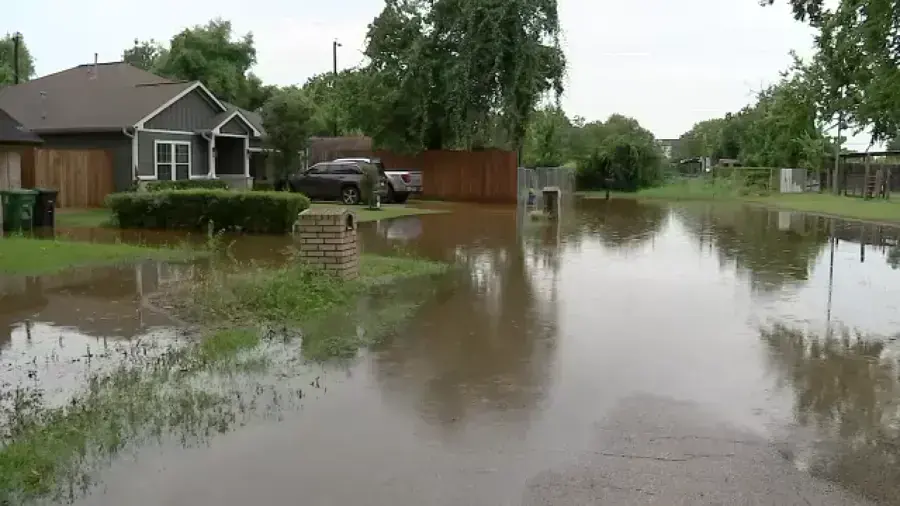
First steps for storm and flash flood cleanup in Lee's Summit
- 1
Stay out of the water
Flood water can hide debris, bacteria and live electrical hazards, so keep people and pets clear.
- 2
Document it all
Photograph the water level, high-water marks and every damaged item first.
- 3
Call the insurer
Report the loss and ask about flood coverage, since standard policies treat flood differently.
- 4
Hold off on repairs
Wait for moisture readings first, since new drywall over wet framing causes trouble later.
What does storm and flash flood cleanup cost in Lee's Summit, MO?
A shallow flood in a bare basement typically costs $2,500 to $6,000, a finished lower level $6,000 to $18,000, and deep water across two levels $15,000 to $35,000+. Contamination and area decide the rest.
Shallow water, bare basement
- Flood water pumped out
- Surfaces cleaned and treated
- Slab dried
Finished lower level
- Soaked carpet and drywall hauled
- Containment barriers
- Dehumidifiers and air movers
Deep water, two levels
- Debris and materials cleared
- HEPA air scrubbing
- Documented for the insurer
Ranges are typical, not a quote: the water category, the wet square footage, the material class and how fast drying started move the number most. Run the water damage cost calculator for a closer planning range.
How storm and flash flood cleanup is handled in Lee's Summit
- 1
Assess and contain
The crew checks the water category, sets up barriers and puts on protective gear before removing anything.
- 2
Remove water and debris
Pumps and extraction units clear the flood water, and mud and debris are hauled out.
- 3
Cut out and clean
Soaked drywall, carpet and pad are removed, and remaining surfaces are cleaned and treated with an antimicrobial.
- 4
Dry and clear
Air movers, dehumidifiers and air scrubbers run until readings reach dry reference points.
Flash flooding is a real local risk in Lee's Summit. Storm water carries soil, bacteria and runoff, so it is handled differently from a leak, with containment, protective gear and removal of soaked porous materials.
What the 1998 flood showed
During the October 4, 1998 flash flood, water on Third Street reached 3 feet, and up to 10 people were rescued from a flooded apartment complex in Lee's Summit.
The East Fork Little Blue River, which drains into Prairie Lee Lake, has also had moderate historical flooding, according to a USGS study done with the city.
Flood maps and insurance
The city joined the National Flood Insurance Program in 1978, and current flood maps decide where permits apply. Work in the Special Flood Hazard Area needs a Floodplain Development Permit from the city engineer.
Flood losses sit outside standard homeowner and commercial property policies, so owners hit by rising water should raise flood coverage with the adjuster early.
Cleanup after the water recedes
Once the flood water is out, the crew removes carpet, pad and drywall that absorbed it, cleans and treats the surfaces and sets air scrubbers and dehumidifiers, because contaminated material cannot be dried clean.
Related work includes water extraction, sewage backup cleanup and structural drying.
Storm and flash flood cleanup across Lee's Summit and nearby towns
Storm and flood cleanup is handled across Lee's Summit, including Downtown Lee's Summit, New Longview, Winterset Valley and the residential and commercial areas along Interstate 470, U.S. Route 50 and Missouri Route 291, whenever heavy rain or a flash flood sends water indoors.
The same service nearby: storm and flash flood cleanup in Blue Springs, Raytown, Grain Valley.
Water damage restoration in Lee's Summit · every town covered
Related water damage services in Lee's Summit
Storm and Flash Flood Cleanup questions in Lee's Summit, MO
Is flood water ever safe to treat as clean?
No. Storm and flood water carries soil and bacteria, so it is treated as contaminated and the materials it soaks are usually removed.
Is it safe to turn the power back on after a flood?
Not until a qualified electrician confirms it, since water in outlets, panels or appliances creates shock hazards.
Why are porous materials thrown out?
Carpet, pad, insulation and drywall absorb contaminants that cleaning cannot reach, so removing them is safer than trying to dry them in place.
How is storm cleanup different from a pipe leak?
A pipe leak usually starts clean, while storm water arrives with soil and bacteria, so containment, protective gear and material removal replace in-place drying.
What documents help a flood claim?
Dated photos, high-water marks, a list of discarded materials and daily moisture readings give the adjuster a clear timeline of the loss and the cleanup.
Storm water in your Lee's Summit property?
The response team removes the water, cuts out soaked materials, treats the surfaces and dries the structure, with every step documented for the claim.
(888) 603-7319Talk to the crew