Water Extraction in Grain Valley, MO
When water covers the floor, the extraction crew pumps and vacuums it out of Grain Valley homes before it can soak into carpet, pad, drywall and the subfloor underneath.
(888) 603-7319Get water pumped out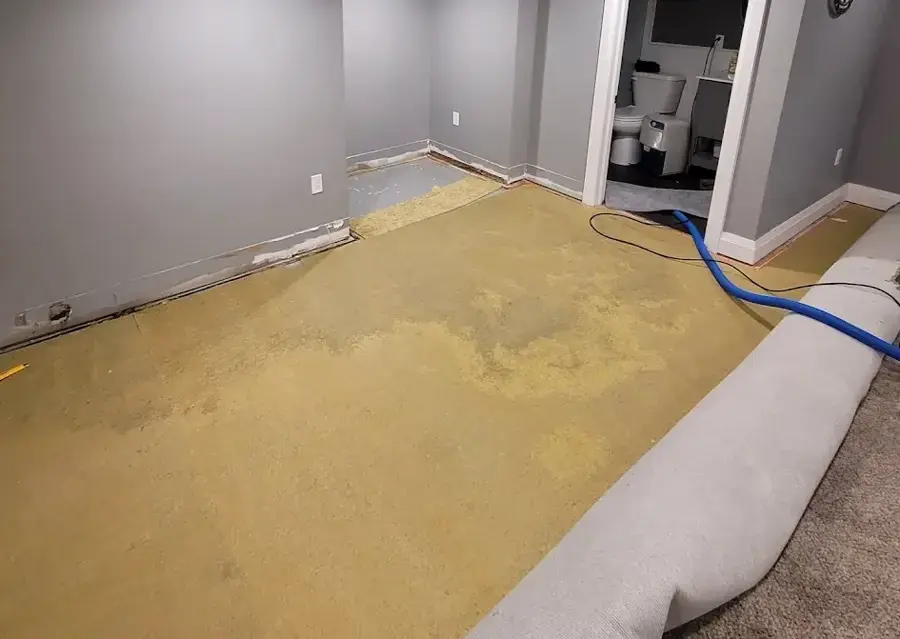
First steps for water extraction and removal in Grain Valley
- 1
Stop the source of water
Shut off the supply valve or the appliance feeding the leak, and stay out of standing water near outlets and cords.
- 2
Cut power to wet areas
Switch off breakers serving flooded rooms before anyone steps in.
- 3
Lift what can be lifted
Raise small furniture, rugs and boxes onto dry surfaces so less material sits in the water.
- 4
Photograph the loss
Take wide and close photos of high-water marks, damaged items and the source before extraction begins, for the claim.
What does water extraction and removal cost in Grain Valley, MO?
Extraction costs track how much water there is and what it contacted. A single room of clean water sits at the low end, a whole basement costs more, and contaminated water adds protective work.
One room, clean water
- Carpet and pad extraction
- Edge and baseboard check
- Moisture readings
Whole basement
- Pumps for deep water
- Truck-mounted extraction
- Slab and wall mapping
Contaminated water
- Protective gear and containment
- Disposal of soaked materials
- Antimicrobial treatment
Ranges are typical, not a quote: the water category, the wet square footage, the material class and how fast drying started move the number most. Run the water damage cost calculator for a closer planning range.
How water extraction and removal is handled in Grain Valley
- 1
Assess the water
The crew traces the source, judges the water category and maps wet areas with a moisture meter.
- 2
Pump out deep water
Submersible pumps drain pooled water so the floor and lower walls can be reached.
- 3
Extract from surfaces
Truck-mounted and portable units pull water from carpet, pad and hard flooring until readings stop dropping.
- 4
Hand off to drying
Wet material is removed, and air movers and dehumidifiers take over with daily readings recorded.
Water does not stay where it spills. It creeps into baseboards, wall cavities and flooring, so extraction comes first, before any drying equipment is set.
What gets pumped and vacuumed
Submersible pumps clear deep water first. Truck-mounted units and wand tools then pull water out of carpet, pad and hard floors, and the crew keeps going until the surface stops giving up water.
Furniture legs and cabinet toe kicks get checked too, because water collects under them and behind trim.
- Carpet and pad lifted if needed
- Standing water pumped off the slab
- Baseboards and toe kicks checked
- Wet spots marked with a meter
Newer construction, fast removal
Housing in Grain Valley is largely newer suburban construction, and the city's own plan calls it a bedroom community for the Kansas City metro area. Laminate, carpet pad and drywall in such homes take on water fast.
A failed hose in Sni-A-Bar Farms, Rosewood Hills or Woodbury can put water across a whole floor, and deeper losses are covered under basement flooding cleanup.
When extraction ends, drying begins
Pumping removes the bulk water, not the moisture trapped inside wood and concrete. Once the surface is clear, the team moves into structural drying with air movers and dehumidifiers and tracks progress with a meter.
Wet materials that cannot be saved, such as soaked pad, are cut out and bagged during this stage so they stop holding moisture.
Water extraction and removal across Grain Valley and nearby towns
Extraction work reaches homes across the 64029 ZIP code, from Downtown Grain Valley and Main Street to Creekside Village north of Interstate 70 and the Sni-A-Bar Farms subdivision in the southern part of the city. Townhomes in Greystone are covered as well.
The same service nearby: water extraction and removal in Blue Springs, Oak Grove, Independence.
Water damage restoration in Grain Valley · every town covered
Related water damage services in Grain Valley
Water Extraction and Removal questions in Grain Valley, MO
What is the difference between extraction and drying?
Extraction removes liquid water with pumps and vacuums. Drying uses air movers and dehumidifiers to pull moisture out of materials that extraction cannot reach.
Can carpet be saved after a flood?
Often yes if the water was clean and removal began quickly. The pad underneath is usually replaced, and the carpet is lifted so both sides can be dried.
Which tools remove the water?
Pumps handle depth, then truck-mounted and portable extractors handle carpet and hard floors. The crew picks the tool based on how deep and how widespread the water is.
Does the type of water change the job?
Yes. Clean water from a supply pipe is handled differently from gray water or sewage, which call for protective gear, containment and removal of porous materials.
Will extraction stop damage to walls?
It limits it. Pulling surface water quickly keeps drywall bottoms and baseboards from wicking moisture upward, though wall cavities may still need drying afterward.
How is progress recorded?
Moisture readings are taken before and after extraction and logged, which gives an adjuster a clear record of what was wet and when it dried.
Get standing water out of the house
The Grain Valley extraction crew removes pooled water, lifts soaked pad and sets the home up for drying, with readings recorded for the insurance file. Talk through the loss and the next step.
(888) 603-7319Start water removal